
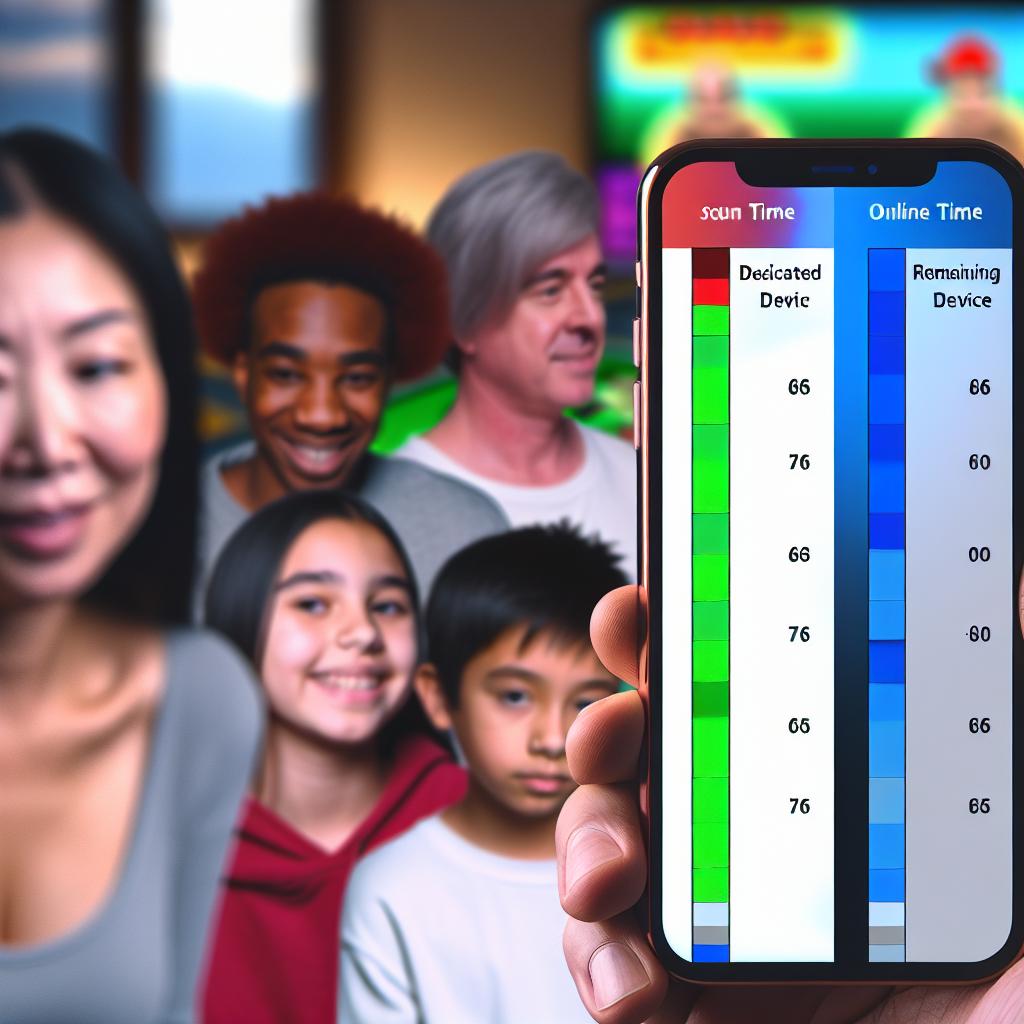
Setting screen time limits for kids and adults

Understanding Screen Time Guidelines

Screen time refers to the duration individuals spend on devices with screens, such as smartphones, tablets, computers, and televisions. It is essential to monitor screen time to promote healthy habits in both children and adults. The American Academy of Pediatrics (AAP) provides guidelines that can help families manage screen time effectively.

Screen Time Recommendations for Kids

From birth to the age of 18 months, children should ideally have minimal exposure to screens, barring necessary occasions such as video chatting. This recommendation stems from the understanding that infants and toddlers learn best from interactions with their environment and caregivers. During these early months, real-world experiences are crucial for their cognitive development.

As children grow, their capacity to understand and interact with digital content increases, yet moderation remains key. For those aged 2 to 5 years, the AAP suggests limiting screen time to one hour per day, focusing on high-quality programming designed for this age group. Parents are encouraged to engage with the content alongside their child, discussing the material to reinforce learning and comprehension. Such interactions ensure that screen time becomes an enriching experience rather than a passive one.

For children aged 6 and older, families should set consistent limits concerning the duration and nature of screen exposure. In this context, prioritizing educational and interactive content is beneficial. It is equally important to ensure that screen time does not negatively impact essential activities, including sleep, physical exercise, and other behaviors contributing to a healthy lifestyle.

Benefits of Setting Limits

Establishing limits on screen time reaps multiple benefits. It not only enhances sleep quality by reducing exposure to screens before bedtime but also fosters better physical health by allowing more time for active pursuits. Additionally, moderated screen time improves social skills, as children engage more in face-to-face interactions. Over time, these benefits contribute significantly to their cognitive and emotional development.

Screen Time Guidelines for Adults

Adults often find themselves using screens extensively across various domains such as work, entertainment, and social interaction. However, it is crucial to acknowledge the impact of excessive screen use on their health. Prolonged screen time can result in issues like eye strain, poor posture, and even decreased productivity.

To counteract these effects, health professionals advocate for taking regular breaks during extended screen exposure. Introducing periods of physical activity and ensuring eye health through proper screen settings are advisable practices. These strategies help balance the necessity of screen use with maintaining overall well-being.

Adopting a Balanced Approach

A balanced approach to screen time is fundamental for adults. One effective method is the 20-20-20 rule, which encourages looking away from the screen every 20 minutes at an object about 20 feet away for at least 20 seconds. This practice can significantly reduce eye strain and fatigue.

Additionally, creating a comfortable workspace with ergonomic furniture aids in promoting good posture. Reducing glare from screens, and using assistive software to adjust brightness, can also support healthier screen use habits. These seemingly minor adjustments collectively contribute to enhanced mental and physical health.

The Role of Technology in Moderation

Technology itself offers tools to aid in moderating screen time. Many devices now come with built-in features to track usage and set limits on the duration spent on apps and other digital content. For parents, these features serve as a valuable resource for monitoring and enforcing screen time guidelines for their children.

Similarly, adults can leverage these technological offers to foster a conscientious and productive use of their devices. By understanding their screen time patterns, they can make informed decisions about adjustments needed to bring about a healthier balance in their daily routines.

Conclusion

Continuously evaluating and tweaking screen time allows for substantial improvements in physical health and psychological well-being, a concept applicable to both children and adults. By doing so, families can enjoy the benefits of technology while ensuring it enhances rather than detracts from other aspects of life. Understanding and adhering to recommended guidelines empower individuals to navigate the digital world responsibly.

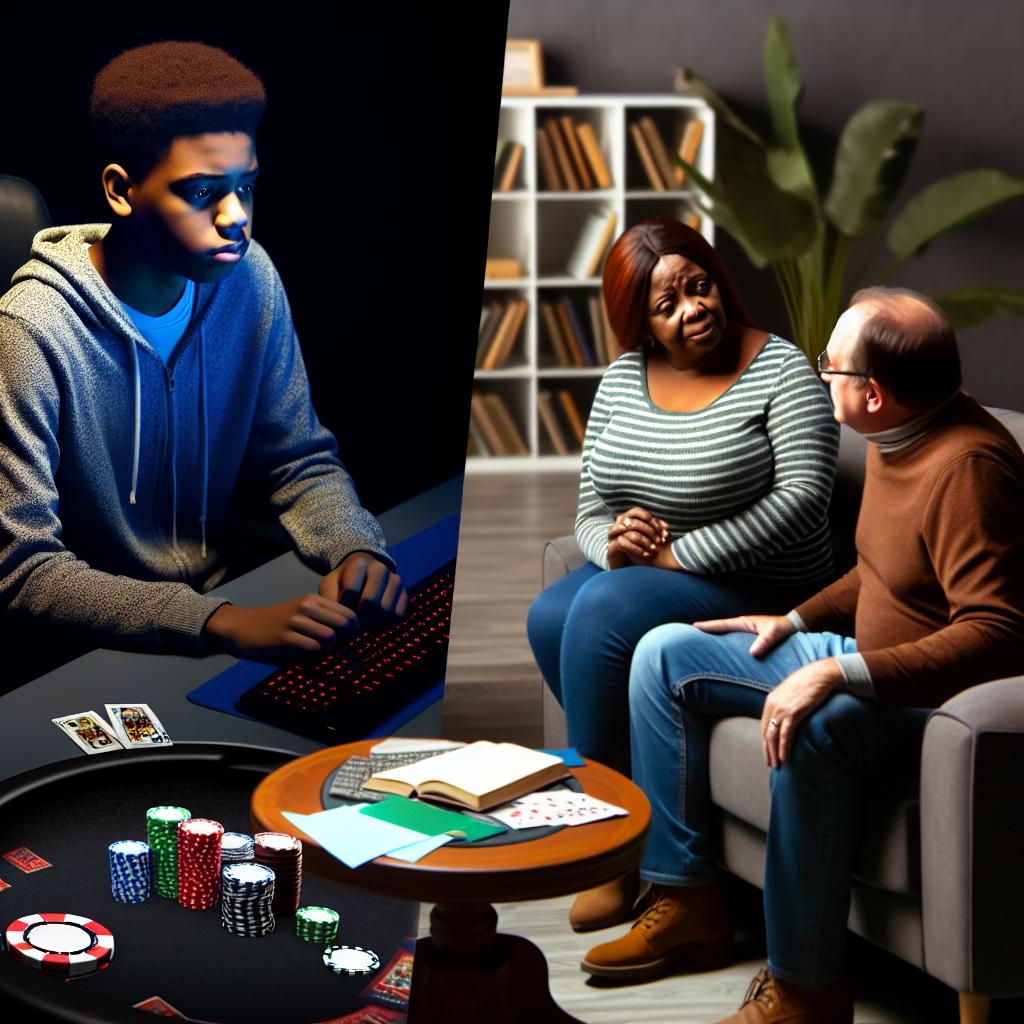
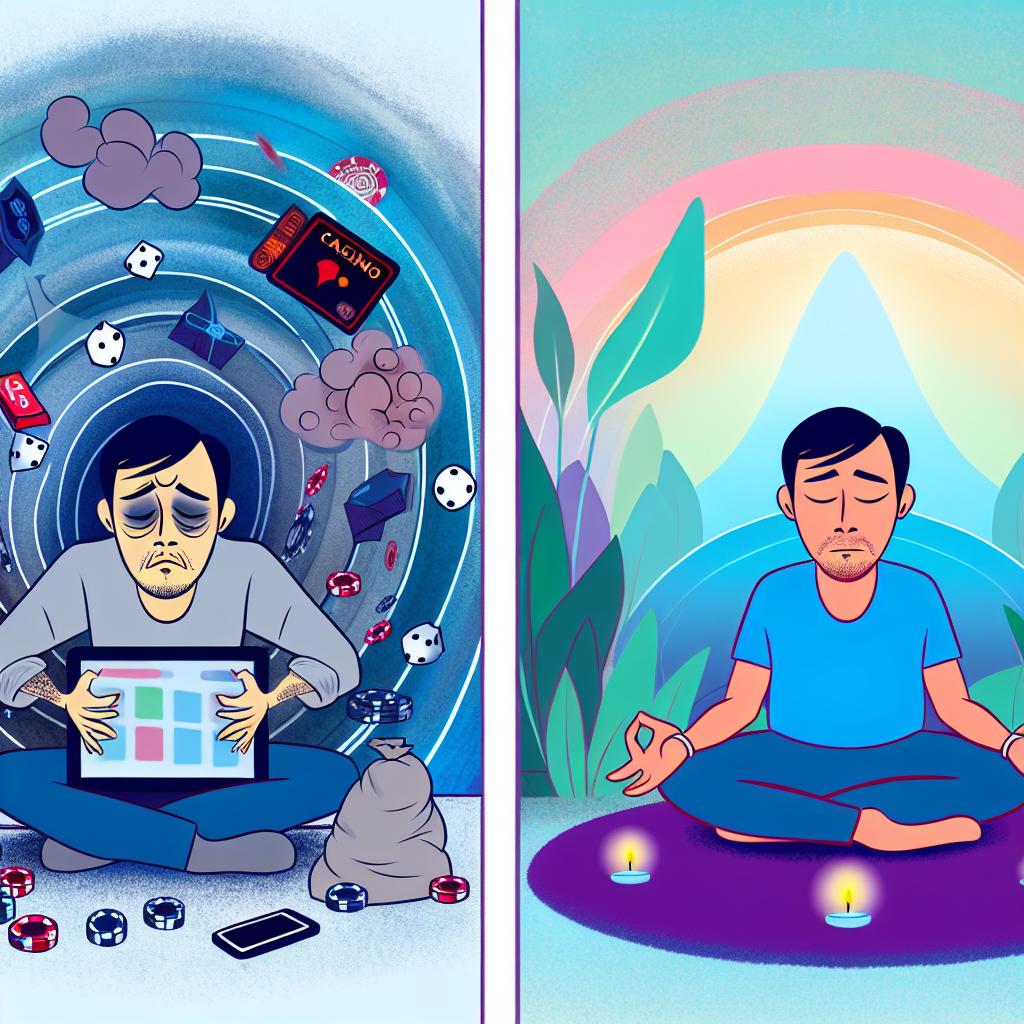
Promoting healthy gaming habits

The Importance of Healthy Gaming Habits

The gaming industry has undergone a remarkable evolution over the past few decades, transitioning from a niche hobby to a global entertainment powerhouse. With the advent of advanced technology and the widespread availability of the internet, gaming has permeated every corner of the world. As its reach and influence continue to expand, it becomes increasingly imperative to cultivate healthy gaming habits to ensure an experience that is not only enjoyable but also beneficial to one’s overall health and well-being.

Understanding Gaming’s Impact on Health

Engaging in video games can offer a myriad of benefits, particularly when approached with mindfulness and balance. On the positive side, playing video games can significantly enhance cognitive abilities. Players often face complex challenges within game environments that demand sharp problem-solving skills and fast thinking, thereby stimulating cognitive growth. Additionally, video games are known to improve hand-eye coordination, as players must coordinate their actions with what is happening on the screen in real-time.

However, the downside of gaming cannot be ignored. When indulged in excessively, gaming can lead to numerous health concerns. One of the most common issues is eye strain, resulting from prolonged screen time. Similar to extended periods of reading or computer work, gaming can cause discomfort and damage to the eyes if breaks are not taken. Moreover, the sedentary nature of gaming contributes to a reduction in physical activity, which can have further health implications. The disruption of regular sleep patterns to accommodate late-night gaming sessions is another cause for concern, leading to fatigue and impairing daily functioning.

Recognizing the Signs of Unhealthy Gaming

In order to maintain a balanced lifestyle, it is crucial to recognize when gaming habits turn unhealthy. Certain signs can indicate that gaming might be negatively impacting one’s life. A noticeable decrease in physical activity is one indicator that gaming is consuming too much time. Moreover, neglecting responsibilities, whether academic, professional, or personal, suggests an imbalance that needs to be addressed. Additionally, social isolation can be a byproduct of excessive gaming. If a person frequently chooses gaming over in-person interactions with friends and family, it may be time to reassess their gaming habits. By recognizing these warning signs, individuals can take steps to adjust their gaming routines in a way that supports their well-being.

Setting Boundaries and Time Limits

One of the most effective strategies for maintaining a healthy relationship with gaming is setting clear boundaries and time limits. These boundaries help in regulating the amount of time spent on gaming and ensure that it does not interfere with other aspects of life. A practical approach is to implement regular breaks. For instance, taking a break of at least five minutes after every hour of continuous play can significantly reduce physical fatigue and refresh the mind. These breaks provide an opportunity to move around, stretch, and give the mind a pause, which can enhance focus and enjoyment upon returning to the game.

Encouraging Social Interaction

Incorporating social interaction into gaming experiences can be highly beneficial for mental health. Playing multiplayer games with friends or in gaming communities not only enhances the social aspect of gaming but also fosters a sense of camaraderie and connection. It is important to select games that promote cooperation and collaboration, as these can lead to more fulfilling and constructive interactions. Social gaming can mitigate the isolating effects of excessive solo play, ensuring that gaming remains a shared and enjoyable activity.

Balancing Gaming with Other Activities

To cultivate a holistic and healthy lifestyle, it is essential to balance gaming with a variety of physical and social activities. Engaging in outdoor activities, pursuing diverse hobbies, and spending quality time with loved ones can augment the gaming experience by offering a broader spectrum of experiences. This balance prevents gaming from becoming a consuming activity and allows individuals to enjoy the benefits of different types of engagement. By participating in a wide range of activities, one can ensure that gaming forms a part of their life without overshadowing other important aspects.

Using Ergonomic Gaming Setups

Investing in ergonomic gaming setups can go a long way in preventing physical discomfort associated with prolonged gaming sessions. Ergonomics involves designing workspaces, including gaming environments, to fit individual needs and promote healthy posture. Using gaming chairs that support proper posture and desks that are at the correct height can prevent back and neck pain. Screen placement is another critical factor; screens should be positioned to minimize eye strain and reduce the chance of headaches. There are resources available that guide individuals in creating ergonomic workspaces which can be adapted for gaming use.

Utilizing Tools to Monitor Gaming Habits

With the increasing emphasis on digital well-being, numerous tools and applications have been developed to monitor and manage screen time effectively. These tools serve as valuable aids in maintaining control over gaming hours by providing alerts when limits are reached or exceeded. By researching and employing the tools that best fit individual needs, gamers can ensure they remain within their designated gaming limits. This not only helps in cultivating discipline but also allows gamers to focus on quality over quantity in their gaming sessions.

Conclusion

The integration of healthy gaming habits is crucial in ensuring that the vast benefits of gaming can be enjoyed without compromising health. By being vigilant about recognizing the signs of unhealthy gaming, establishing practical boundaries, reinforcing social interactions, balancing various activities, and using ergonomic setups, individuals can foster a sustainable and enriching gaming experience. Through mindful engagement and by leveraging technology to support these habits, gamers can maintain a harmonious balance, enabling them to enjoy gaming while upholding their physical and mental well-being.


Parental strategies for addressing children’s gaming issues

Understanding Gaming Issues in Children

In recent years, the rapid growth of digital technology has transformed video games into a ubiquitous form of entertainment, particularly for children. With both positive and negative aspects, video games have become a significant part of children’s lives. These games are not just sources of fun; many are designed to be educational and can enhance motor skills and strategic thinking. However, parents and guardians must be aware that excessive gaming can sometimes lead to problems like addiction, social withdrawal, and challenges in academic performance. This makes it essential for parents to gain a deep understanding of potential gaming issues to address them effectively.

Identifying the Signs of Gaming Issues

One crucial step in managing gaming issues is recognizing the symptoms that may indicate a problem. Poorly managed gaming behaviors can often manifest in various ways. Parents should watch for persistent signs such as a child being constantly preoccupied with gaming, frequently lying about the time spent gaming, and neglecting personal hygiene and daily responsibilities. A noticeable lack of interest in other activities that were once enjoyable may also be a red flag. Furthermore, if gaming time is cut, children may display irritability or frustration, suggesting an unhealthy attachment to gaming.

Creating a Balanced Gaming Schedule

To curb potential issues from gaming, it is helpful to strike a balance by establishing a clear and structured gaming schedule. Parents should work collaboratively with their children to set reasonable time limits for gaming. This not only helps children realize the importance of balancing various activities but also fosters self-discipline. Children should be encouraged to allocate time for diverse engagements such as homework, physical exercise, and family interactions. By establishing a routine that incorporates responsibilities and leisure, parents can support their children in developing a structured lifestyle.

Encouraging Open Communication

Creating an open dialogue with children regarding their gaming experiences is an effective way to address potential issues. Parents should take the time to discuss with their children what they enjoy about gaming, and any concerns or challenges they might encounter. This exchange not only helps parents comprehend the gaming culture but also provides a platform to identify any underlying issues. Open communication fosters a relationship of trust, allowing parents to guide their children’s gaming habits while respecting their interests.

Promoting Alternative Interests and Hobbies

Another way to prevent excessive gaming is to introduce children to diverse activities and interests. Parents can encourage their children to explore sports, music, art, or reading, which not only offer leisure but also enhance different skill sets. Engagement in these areas can help divert attention from gaming and foster a well-rounded development. By presenting these activities in a fun and engaging manner rather than as obligations, parents can help their children naturally reduce their reliance on video games.

Setting Parental Controls and Monitoring Usage

Many gaming devices and platforms include parental control options, which can be valuable tools for managing gaming activity. These features allow parents to monitor and limit their child’s gaming time, restrict access to inappropriate content, and tailor gaming environments to be more suitable for children. However, it is essential for parents to balance monitoring with trust. The goal should be to educate children about responsible gaming practices rather than imposing stringent restrictions. This approach encourages children to develop self-regulation and an understanding of healthy gaming habits.

Seeking Professional Help When Necessary

If gaming issues escalate and become unmanageable, seeking professional assistance may be advantageous. Therapists and counselors specializing in addiction and child psychology can offer tailored strategies and interventions. They can work with children to develop cognitive-behavioral techniques and family counseling sessions that address deeper psychological issues at play. Such interventions aim to foster healthier relationships between children and gaming, guiding them toward a balanced and enriched lifestyle.

Using Educational Resources

Parents have access to a wealth of educational materials that can aid them in understanding and addressing gaming-related issues. Reputable entities often provide articles, guides, and workshops that offer insights into the dynamics of video games and their impact on children. By visiting Common Sense Media and other similar platforms, parents can acquire substantial knowledge, enabling them to make informed decisions about their children’s gaming habits. Access to these resources empowers parents with information about the potential benefits and drawbacks of video games.

In conclusion, through understanding, active communication, and using available resources, parents can navigate the challenges that stem from gaming and ensure its positive aspects are maximized for their children. Addressing gaming issues thoughtfully and constructively ensures that video games remain a positive and enriching part of children’s lives, contributing to their growth and development rather than hindering it. It is crucial for parents and caregivers to engage proactively and continuously with their children’s digital activities, supporting a balanced approach that prioritizes both education and enjoyment.


Mindfulness and meditation for reducing gaming habits

Understanding the Intersection of Mindfulness, Meditation, and Gaming Habits

Mindfulness and meditation are increasingly being recognized as effective tools for managing and reducing excessive gaming habits. As gaming becomes an integral part of modern leisure activities, it is crucial to explore ways to maintain balance and prevent potential negative impacts.

The Rise of Gaming and Its Impacts

Over the past few decades, digital gaming has become one of the most popular forms of entertainment. It has transformed how individuals, especially younger generations, spend their free time. The availability of games on smartphones, consoles, and PCs allows for easy access and has contributed to the increase in the number of hours spent playing. While gaming offers many advantages like improving hand-eye coordination, problem-solving skills, and providing relaxation and enjoyment, it can also lead to several negative consequences when not managed properly.

Individuals who indulge in prolonged gaming sessions may face disrupted sleep patterns, which can lead to fatigue and cognitive difficulties. Additionally, excessive gaming can negatively impact academic performance as it often consumes time that might otherwise be devoted to studies and learning. Another major concern is the impairment of social interactions; spending excessive hours in virtual worlds can detract from time spent with family and friends, potentially leading to feelings of isolation.

What is Mindfulness?

Mindfulness is the practice of being present and fully engaged with the current moment, which means living in the now with an acceptance of all emotions and thoughts without judgment. This practice emphasizes observing one’s internal states rather than reacting to them automatically. Originating from Buddhist traditions, mindfulness has been adapted and integrated into modern psychological practices due to its potential benefits for mental and emotional health.

By cultivating mindfulness, individuals can increase their self-awareness and mindfulness in decision-making, which extends to their gaming habits. This intentional focus can enable gamers to establish a clearer understanding of how much time they spend gaming and if it aligns with their goals and priorities.

Benefits of Meditation

Meditation, often aligned with mindfulness, is a technique focused on developing concentration and achieving a mentally clear and emotionally calm state. Those who practice meditation regularly experience ongoing benefits that enhance various facets of life.

Among its numerous benefits, meditation has been shown to substantially reduce stress and anxiety levels, a crucial benefit considering the fast-paced, multitasking demands of modern living. Meditators learn to calm the nervous system, which can lead to better heart health and a stronger immune response. Meditation also improves concentration and attention span, making it invaluable for students and professionals alike. Emotionally, regular meditation practitioners report improved emotional resilience and greater overall satisfaction with life.

Implementing Mindfulness and Meditation in Gaming

Incorporating mindfulness and meditation into one’s daily routine can be highly beneficial for gamers, offering a powerful way to develop healthier gaming habits. Here are a few ways these practices can contribute:

Enhanced Awareness: By regularly practicing mindfulness, gamers can become more consciously aware of the time spent gaming. With an increased awareness of their gaming habits, they are more likely to recognize and adjust their playtime when it starts to interfere with other significant life activities. This practice of self-monitoring ensures a balanced approach to leisure and responsibilities.

Impulse Control: Meditation strengthens impulse control, a critical skill for those who often find themselves unable to resist the draw of video games. A disciplined meditation practice can heighten one’s ability to delay gratification and choose more constructive activities over defaulting to excessive gaming.

Stress Reduction: Many gamers turn to video games as an escape from stress. While this can provide temporary relief, it doesn’t address the underlying stressors. Mindfulness offers an effective alternative, teaching individuals how to manage and reduce stress through breathing, relaxation techniques, and a focused presence. By reducing stress in healthier ways, individuals can spare their gaming time for enjoyment rather than stress relief.

Explore more about mindfulness here.

Conclusion

In conclusion, the integration of mindfulness and meditation into gaming offers an innovative approach for individuals aiming to manage and reduce excessive gaming habits. Through these practices, gamers can cultivate enhanced self-awareness, improve their impulse control, and achieve an overall healthier balance between gaming and other life activities. These tools, increasingly recognized for their effectiveness, present promising options for gamers to make more mindful and deliberate choices about their gaming habits.

As the popularity of gaming continues to rise, equipping individuals with skills to balance their gaming with other aspects of life becomes increasingly important. By focusing on mindful and meditative practices, gamers can ensure that their leisure activities contribute positively to their overall well-being. This positive incorporation can support not only better gaming experiences but also improved life satisfaction and mental health.