
Setting gaming-free zones in the home

Introduction to Gaming-Free Zones

In today’s digital age, video games have rapidly transformed into one of the most popular forms of entertainment for people of all ages. While video gaming can develop beneficial skills, such as enhanced cognitive function and stress relief, it’s crucial to recognize that excessive gaming can result in several adverse effects. These can include a decline in social interactions, decreased overall productivity, and a disconnect from the physical world. Consequently, creating gaming-free zones within the home is an effective strategy to foster a balanced approach, blending gaming with other crucial life activities.

What Are Gaming-Free Zones?

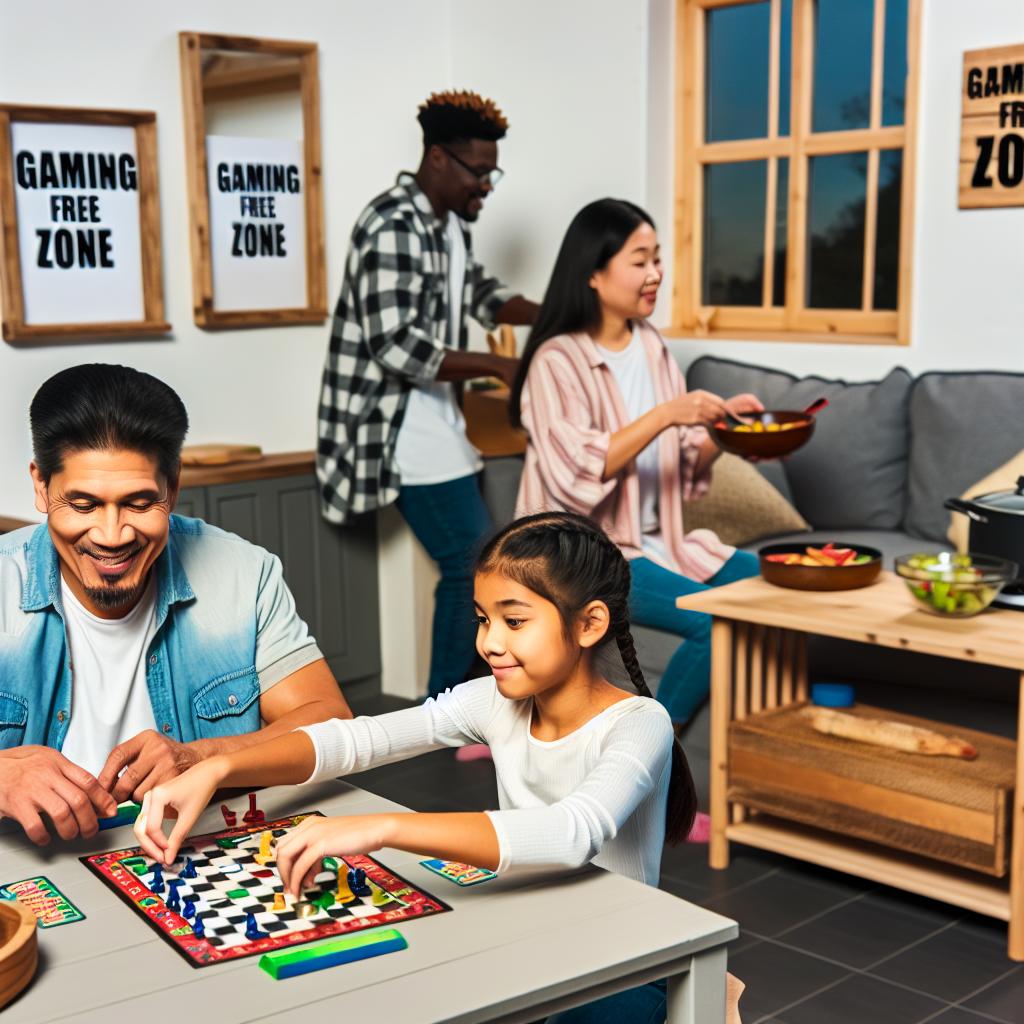
Gaming-free zones refer to designated areas within a home where video gaming is intentionally absent. These zones are designed to inspire different types of engagement and interaction, thereby promoting a lifestyle that harmoniously integrates both digital and non-digital activities. By allocating specific areas free from gaming, families can cultivate a balanced environment that respects the importance of both recreation and productivity.

Reasons to Set Gaming-Free Zones

There are multiple reasons why establishing gaming-free zones within a home can be beneficial:

Firstly, encouraging diverse activities is a key advantage. Gaming-free zones motivate individuals in the household to explore various activities beyond digital screens. This could include reading, crafting, engaging in hobbies, or even having meaningful conversations with one another. Such diversity in activities can lead to a more well-rounded lifestyle, where members of the household are accustomed to a variety of experiences and skills.

Secondly, gaming-free zones provide an avenue for reducing screen time. With the high potential for excessive screen exposure in today’s digital world, it is important to regulate the amount of time spent in front of a screen. By creating specific areas in the home where gaming isn’t an option, it becomes easier to achieve a balanced and healthy amount of screen time.

Moreover, these zones serve as a catalyst for promoting family interaction. When family members congregate in these gaming-free areas, there is a greater likelihood of interacting with one another in meaningful ways. This can enhance family bonds, foster better communication, and provide a platform for resolving conflicts and building understanding.

How to Establish Gaming-Free Zones

Creating gaming-free zones requires thoughtful planning and a keen understanding of the preferences and lifestyles of family members. Here are some steps to consider:

Select appropriate areas: Begin by identifying spaces where non-gaming activities naturally take place, such as common areas like the dining room or family room. These spaces can serve as natural hubs for family engagement and diverse activities, thus making them optimal locations for gaming-free zones.

Set clear guidelines: It is essential to establish clear rules regarding what activities are permissible within these zones. Ensure that everyone in the household is aware of these guidelines and comprehends their significance. This clarity helps in maintaining the purpose of the spaces and reduces potential conflicts or misunderstandings.

Communicate with family members: Engaging in discussions with family members about the benefits and objectives of gaming-free zones ensures everyone has a shared understanding. This communication fosters a cooperative environment where everyone is supportive of the initiative and aware of its long-term benefits.

Maintaining Balance

The establishment and maintenance of gaming-free zones necessitate a balance between setting restrictions and ensuring these restrictions do not lead to frustration or resentment among family members. Flexibility is key; allowing for regular family discussions and being open to making necessary adjustments can help accommodate individual preferences. Such a balanced approach not only upholds the integrity of the gaming-free zones but also nurtures a harmonious home environment.

Conclusion

In conclusion, implementing gaming-free zones in the home is a practical and beneficial strategy for achieving a well-balanced lifestyle. These zones provide individuals and families with the opportunity to savor the advantages of digital play while also cultivating other important facets of life. Through meticulous planning, clear communication, and a willingness to adapt over time, gaming-free zones can significantly contribute to a more serene, productive, and enriched home atmosphere.


Encouraging physical activity to offset gaming habits

Understanding the Balance Between Gaming and Physical Activity

Gaming has become a prevalent form of entertainment worldwide, yet it often involves prolonged periods of sedentary behavior. In recent years, the global gaming community has observed an increase in the number of individuals who dedicate extensive hours per day to this form of digital amusement. This trend is not restricted by age, as both young and adult players often find themselves engrossed in virtual worlds that captivate their attention for long spans. However, it’s crucial to recognize the potential health implications of such lifestyles. Studies indicate that excessive gaming can contribute to a sedentary lifestyle, potentially impacting physical health. As gaming gains popularity, immersing people in captivating storylines and challenging gameplay, it simultaneously poses a challenge for physical health due to extensive inactivity.

The Health Implications of Sedentary Gaming

Prolonged gaming sessions commonly result in minimal physical movement, leading to concerns such as obesity, poor cardiovascular health, and musculoskeletal issues. The concern here is rooted in the fact that the human body is designed for movement, and extended periods of inactivity can lead to the deterioration of various health aspects. The World Health Organization (WHO) underscores the importance of engaging in at least 150 minutes of moderate aerobic activity weekly to maintain health. This guideline serves as a reminder of the physical requirements necessary to support bodily functions and prevent the onset of disease. Therefore, maintaining a balance between gaming and activity is essential.

One cannot ignore the connection between sedentary gaming and its impact on obesity rates. The correlation is evident as continuous sitting, coupled with potential mindless snacking during gaming, can lead to an excessive energy intake without corresponding energy expenditure, thus contributing to weight gain over time.

Additionally, extended periods of sitting can negatively impact cardiovascular health. The heart is a muscle that requires routine exercise to remain efficient, and the absence of such can lead to a decrease in cardiovascular efficiency. Blood circulation slows, contributing to the risk of developing conditions such as high blood pressure or even heart disease over time.

Musculoskeletal issues are another prominent concern associated with sedentary gaming habits. The static posture typically adopted while gaming can lead to conditions such as back pain, strain in the neck and shoulders, and ultimately poor posture. Over time, these physical strains can lead to chronic conditions that impair mobility and function.

Encouraging Activity with Active Video Games

Incorporating active video games can be a useful strategy to increase physical engagement. Unlike traditional video games that require minimal physical interaction, active video games necessitate various forms of physical movement, effectively transforming gaming into an exercise opportunity. These games provide an avenue where one can maintain an interest in gaming while ensuring physical activity is integrated into their routine.

Active video games utilize motion-sensing technology, compelling players to move their bodies as part of gameplay. This not only aids in burning calories but can also improve coordination and aerobic fitness.

Moreover, such games often embed fitness goals within their design, allowing players to track their progress, set personal goals, and achieve them in an enjoyable manner. For those interested in the benefits of active gaming, exploring resources such as Healthline can provide additional insights and information.

Regular Breaks to Promote Mobility

Taking frequent breaks during gaming sessions is pivotal in promoting mobility. Establishing a routine that includes regular intervals for rising, stretching, or walking fosters a healthier gaming environment. Guidelines suggest taking a short break every hour as an effective measure to counteract the effects of continuous sitting.

These breaks serve multiple purposes. They allow improved circulation, which is crucial in preventing the stiffness and discomfort associated with prolonged periods of inactivity. Brief activities such as stretching can alleviate muscle tension and reinvigorate the body.

Moreover, these regular interruptions not only benefit physical health but also provide cognitive benefits. Taking breaks can enhance concentration and focus when transitioning back to gaming, leading to less mental fatigue and sustaining enjoyment in the activity.

Incorporating Gamified Physical Activities

Gamification of physical activities represents another innovative method to blend gaming with exercise. The use of technology to introduce gaming elements into traditional exercise routines has proven instrumental in motivating individuals who may not otherwise engage in physical activity.

Current apps and devices offer gamified experiences that encourage users to achieve fitness milestones through interactive challenges and rewards. Achievements earned in these virtual spaces enhance motivation, as they relate physical progress to tangible accomplishments. For those interested in exploring such resources, platforms like MyFitnessPal provide diverse tools to help track physical activity alongside gaming interactions.

Beyond personal benefits, these gamified systems often incorporate social elements, allowing users to connect, compete, and collaborate with others. The social aspect adds a layer of motivation, as gamers often thrive in competitive environments, making this an effective way to embed exercise naturally into their routines.

Conclusion

Promoting balanced habits between gaming and physical exercise is vital for maintaining overall health. By leveraging technology and adjusting routines, individuals can enjoy gaming while still prioritizing their physical well-being. The goal is to foster an equilibrium where one’s love for gaming does not come at the expense of physical health. Each player can find methods that work for them, whether it’s integrating active video games, scheduling regular breaks, or using gamified apps to enhance their activity levels. Encouraging this balance not only supports individual health but also contributes positively to broader societal health trends as gaming remains an integral part of modern entertainment.


Apps and tools to monitor gaming time

Understanding the Importance of Monitoring Gaming Time

In recent years, the gaming industry has experienced an exponential rise in engagement, with players of all ages spending substantial amounts of time on video games. This trend can be attributed to various factors, such as advancements in gaming technology, the evolution of multiplayer online platforms, and the allure of interactive storytelling. While gaming is undoubtedly a source of entertainment and offers several cognitive benefits, excessive gaming raises significant concerns. Monitoring gaming time can become crucial in maintaining a balanced lifestyle, ensuring that gaming remains a healthy pastime rather than an addiction.

Features to Look for in Gaming Time Monitoring Tools

When selecting an application or tool to monitor gaming time, it is important to consider specific features that can enhance the user experience and provide effective tracking:

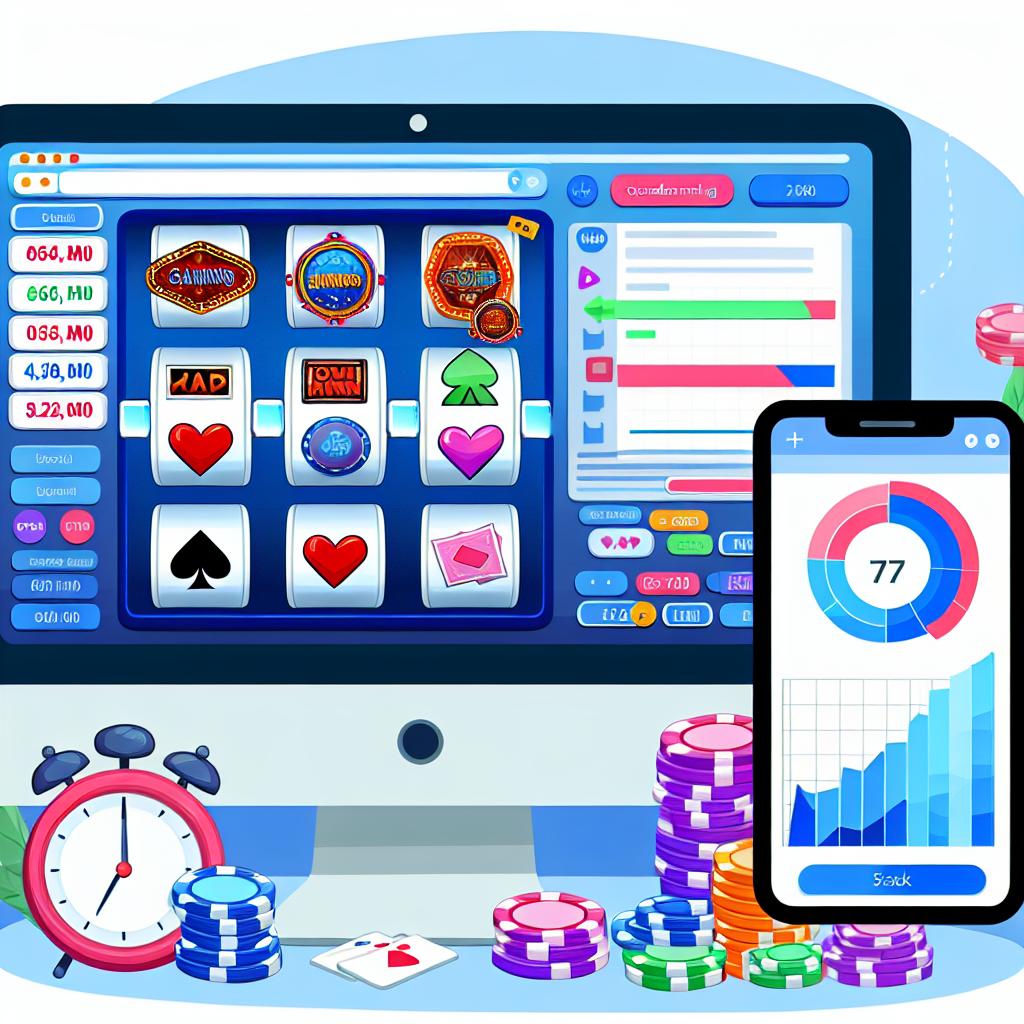
Comprehensive Time Tracking: A reliable monitoring tool should be capable of accurately logging gaming hours across various devices and platforms. Whether a gamer uses a console, PC, or mobile device, the ability to track time spent on each platform is imperative for a complete understanding of one’s gaming habits.

Customizable Alerts and Notifications: The role of notifications cannot be overstated. Such alerts serve as reminders for users to take breaks, thereby helping to prevent fatigue and maintain a healthy balance between gaming and other daily activities. Periodic breaks are essential to avoid mental exhaustion and physical strain.

Detailed Reports and Insights: Access to in-depth insights into gaming habits can be invaluable. Tools providing information such as time spent per game, average session length, and peak usage times offer users a deeper understanding of their gaming behavior, empowering them to make informed decisions about their playtime.

Family Controls: For younger gamers, parental control options are crucial. These features allow guardians to monitor and limit gaming time effectively, ensuring young players partake in safe and responsible gaming. Family controls help in setting boundaries and managing content, contributing towards a balanced lifestyle for younger audiences.

Popular Apps and Tools to Track Gaming Time

Several apps and tools have been designed to assist in tracking gaming time effectively. Among them, some platforms have gained popularity due to their user-friendly features and reliability:

Microsoft Family Safety is one such tool that offers a suite of family-oriented controls, including screen time management across various devices. This app is particularly helpful for parents, providing a seamless experience for Microsoft users through its integration with Windows and Xbox.

GameStopper is specifically designed to help gamers manage their playing time more efficiently. By allowing users to set limits on gaming sessions, it enables gamers to maintain control over their playtime. Detailed logs and usage reports further educate users about their gaming patterns.

ScreenTime Parental Control is another robust resource for families. This app is appreciated for its intuitive interface and effective tracking capabilities, allowing guardians to monitor gaming durations on multiple platforms easily.

Leveraging Console-Based Solutions

Gamers who primarily use consoles can benefit from the built-in features offered by major gaming platforms. These options provide effective ways to monitor and manage gaming time:

PlayStation: The PlayStation system offers tools that monitor and manage playtime. Users can set restrictions for themselves or their children via comprehensive time management settings.

Xbox: With Xbox, users have access to a comprehensive family settings feature that not only tracks gaming time but also provides a flexible set of controls for managing game content and interactions. This flexibility ensures that gaming remains a positive experience for all members of the family.

Nintendo Switch: The Nintendo Switch’s parental controls enable guardians to track playtime and manage access to games effectively. These controls make the Nintendo Switch a popular choice among families seeking to oversee their children’s gaming activities responsibly.

Conclusion

Integrating gaming time monitoring tools into everyday routines allows users to enjoy gaming responsibly. By utilizing these tools, individuals can ensure they maintain a healthy balance between virtual entertainment and real-world commitments. They serve not just children and teenagers but are beneficial for players of all age groups who aim to regulate their gaming activities effectively. Responsible gaming practices are essential for preserving the positive aspects of gaming while mitigating potential negative impacts related to excessive use.