
Teaching digital balance in families

Understanding Digital Balance in Families

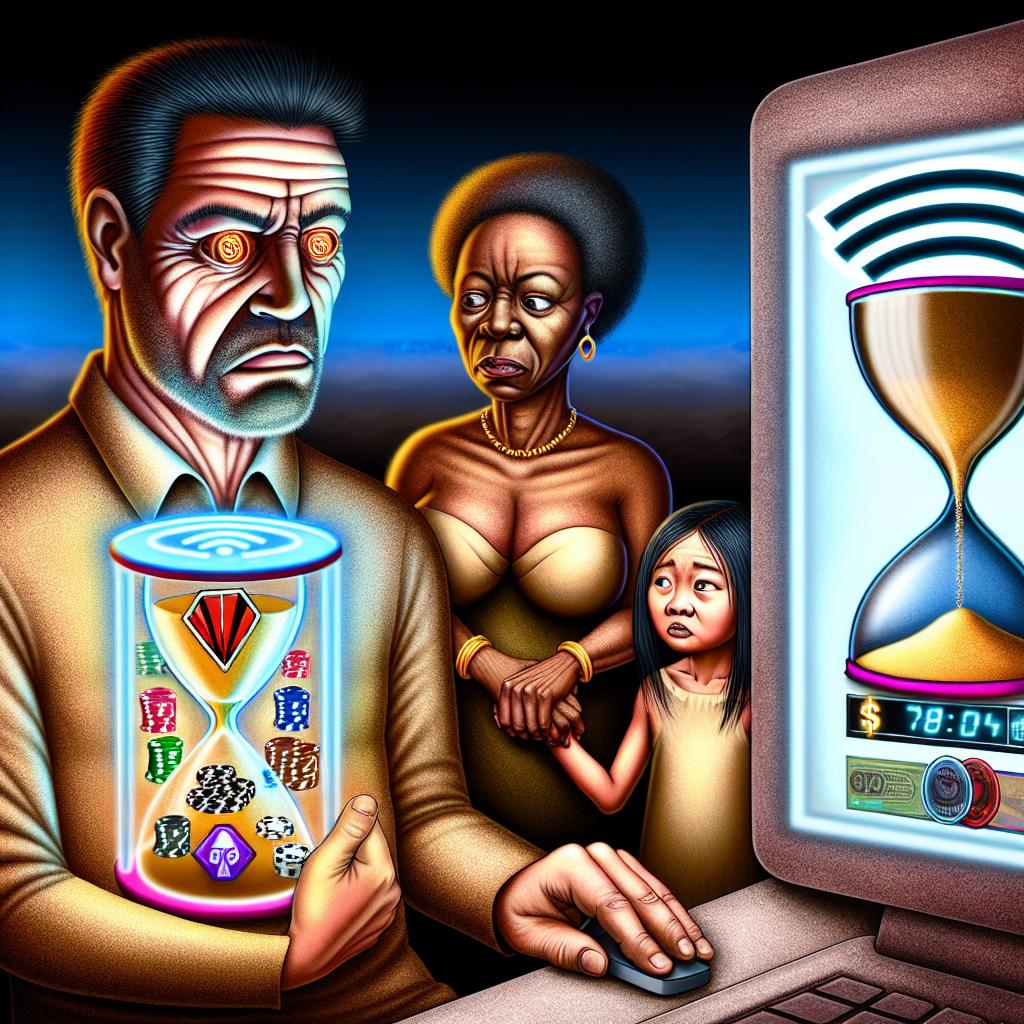
As digital technologies increasingly permeate everyday life, teaching digital balance within families has emerged as a crucial aspect of modern parenting. The ability to navigate technology responsibly has significant long-term implications on the well-being and functionality of family units. This article delves into the foundational elements of establishing a digital balance that benefits both children and adults.

The Importance of Digital Balance

Maintaining a digital balance helps in fostering healthy relationships with technology. It mitigates potential negative impacts, such as addiction and social disconnection, while promoting positive outcomes like improved learning opportunities and access to information. Digital balance ensures that technology enhances rather than hinders family interactions. As digital devices become more integrated into our lives, it is increasingly important to manage how and when we use them to ensure they contribute positively to our familial relationships.

In today’s technologically advanced world, devices and internet-enabled tools are a mainstay in personal and professional settings. Families must understand and address the potential pitfalls of ubiquitous technology to safeguard against its adverse effects. This includes the risk of technology becoming a barrier, hindering meaningful conversations and interactions within the family unit. The notion is not to eliminate technology but to integrate it in such a way that it adds value to the relationships rather than detracts from them.

Key Challenges in Achieving Digital Balance

Several challenges arise when attempting to achieve a harmonious balance with digital technology in family settings. One primary challenge is the ubiquitous presence of digital devices, which can lead to excessive screen time among both children and parents. Additionally, differing opinions on appropriate usage across generations can create friction. Each family member may have a different understanding or comfort level with technology, leading to varied expectations and potential conflicts.

Determining the right amount of time to spend on devices is a common challenge. Research suggests that too much screen time can affect sleep patterns, increase stress, and contribute to physical health issues. Parents often struggle with finding the right balance for their children, especially as schools integrate more digital learning tools. Additionally, the prevalence of social media and online gaming presents unique challenges in monitoring and guiding children’s engagement with online communities.

Effective Strategies for Teaching Digital Balance

Successful education on digital balance involves devising clear guidelines and setting consistent rules that apply to all family members. These strategies are aimed at creating an environment where digital devices serve as tools for growth and connectivity, rather than as sources of contention or division.

Establish Guidelines: Establish specific guidelines within the household related to technology use. Consider the introduction of screen-free zones or times, such as during family dinners or before bedtime, to encourage conversation and improve sleep quality. Establishing these zones and times helps reinforce that family interactions hold value in the home, promoting stronger relationships.

Encourage Joint Media Engagement: Encourage joint media engagement, where parents and children interact with digital content together, fostering discussion and understanding. This not only helps parents stay informed about the media their children consume but also opens opportunities for learning and discussion on various topics. Joint engagement can help demystify technology use and demarcate clear boundaries for its usage within a family setting.

Lead by Example: Lead by example—adults should model balanced technology usage, demonstrating how to integrate digital tools into daily life effectively. Parents who are constantly on their devices may inadvertently encourage similar behavior in their children. By being mindful of their usage and practicing moderation, adults can set a more effective example and ethic around technology use.

Maximizing the educational potential that technology offers, without allowing it to dominate family time, is about finding the conscious balance of involvement, initiation, and abstention that fits the unique needs of each family.

Resources for Families

Numerous resources are available to aid families in navigating digital technology responsibly. These range from educational workshops and community programs to online platforms that offer guidance and tools for monitoring device usage. For families seeking additional help, numerous platforms provide valuable materials and practical advice.

Organizations like Common Sense Media offer comprehensive resources on digital citizenship, providing families with information on how to use technology safely and effectively. These resources can be integral in offering parents new ways to approach technology use in their homes, suggesting various methods and tools to help manage device usage, and developing strategies for maintaining open communication about digital content consumption.

Workshops and seminars, often hosted by schools or community centers, provide families with the knowledge to tackle the increasingly complex digital landscape. These gatherings encourage the exchange of ideas between parents, providing them with the understanding needed to formulate their own digital balance strategies that work best for their families.

By understanding the dynamics of digital balance and implementing effective strategies, families can cultivate an environment where technology serves as an enhancement rather than a detractor from interpersonal relationships and personal development. Recognizing the impact of digital tools is key to integrating them into a balanced lifestyle. By fostering discussions around technology, setting boundaries, and utilizing the resources available, families can thrive in the digital age while maintaining the integrity of their communal relationships.
How to identify early signs of problem gaming

Recognizing Early Signs of Problem Gaming

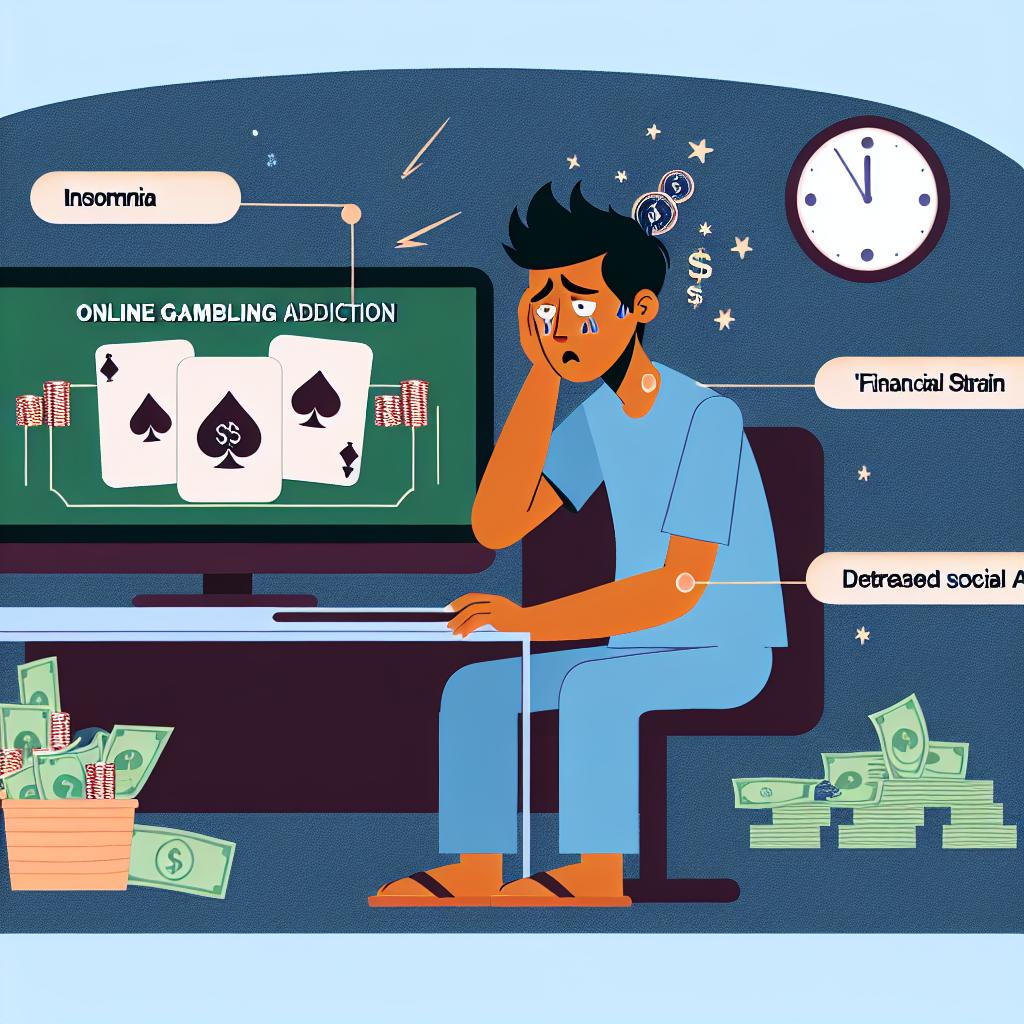
Gaming has become a ubiquitous part of modern life, providing entertainment and social connections for millions around the world. However, like any activity, gaming can become problematic when it begins to interfere with daily responsibilities and well-being. Recognizing the early signs of problem gaming is crucial in addressing the issue before it exacerbates and affects other areas of life.

Understanding Problem Gaming

Problem gaming is characterized by an impaired ability to manage gaming habits, leading to negative consequences. Often associated with the term “gaming disorder,” recognized by the World Health Organization, it involves persistent or recurring gaming behavior that takes precedence over other life interests and activities. This prioritization can result in a range of adverse effects that could disrupt one’s overall quality of life.

Changes in Daily Routine

One of the initial indicators of problem gaming is a significant shift in daily routines. Individuals may start to neglect essential activities such as eating, sleeping, and personal hygiene in favor of gaming. As gaming sessions become increasingly frequent and lengthy, they can replace previous hobbies or social interactions that were once a valuable part of the person’s life.

The pattern usually begins subtly: perhaps a shorter lunch or a late bedtime to squeeze in more gaming time. Over time, these changes can snowball, leading to a fundamentally altered lifestyle that revolves around gaming.

Neglecting Responsibilities

When gaming begins to overshadow important responsibilities, it is a sign that the behavior may be problematic. Whether it is schoolwork, job-related tasks, or household duties, neglect in these areas can signify an issue. This neglect often manifests in declining academic performance, reduced work productivity, or an untidy and unmanageable home environment. The individual may prioritize gaming strategies or achievements over assignments, deadlines, and chores that are necessary for daily functioning.

Emotional Changes

Another critical indicator of problem gaming is the emotional changes that gamers may experience. They might demonstrate increased irritability when not playing or an excessive fixation on gaming accomplishments, causing them to be emotionally entwined with their virtual successes or failures. This emotional dependency could lead to feelings of anxiety and depression when they find themselves unable to engage in gaming, further perpetuating the cycle of gaming as a necessity rather than a leisurely activity.

Social Withdrawal

Social withdrawal is another significant concern among those exhibiting signs of problem gaming. Gamers might begin withdrawing from real-world social interactions, opting instead for virtual connections through games. This form of social withdrawal can lead to isolation, as the individual increasingly relies on interactions within the gaming world rather than forming and maintaining personal connections with friends and family outside of gaming contexts.

This withdrawal can prevent the individual from accessing the support systems needed to counteract gaming’s more negative impacts, leaving them more susceptible to furthering their gaming entrenchment.

Preoccupation with Gaming

Another early sign of problem gaming is ongoing preoccupation with gaming, where individuals consistently think about their next gaming session or become restless and distracted during other activities. This preoccupation often results in a reduced ability to concentrate on tasks requiring focus and attention, such as studying for exams or completing work projects.

It becomes a pervasive theme throughout the day, and the person’s thoughts are dominated by gaming strategies and results, taking away from their capacity to engage fully in other important activities or conversations.

Using Gaming to Cope

Some individuals may turn to gaming as a mechanism to escape from stress, loneliness, or boredom. While initially a harmless distraction, using gaming as a coping mechanism can quickly create a reliance that reinforces problem gaming behavior. It creates a feedback loop where the individual turns to gaming to cope with negative emotions, which could perpetuate more gaming, resulting in even less engagement with alternative coping strategies and solutions.

When gaming is used habitually as a form of escape, it prevents the person from confronting the underlying issues causing stress or dissatisfaction, such as challenges at work or relationship difficulties. Consequently, those problems remain unresolved and can become increasingly severe.

Conclusion

Identifying the early signs of problem gaming is essential for timely intervention. Understanding the nuances of this condition can help individuals, friends, and family members recognize the significant cues before gaming becomes severely detrimental. This recognition involves maintaining an open and ongoing dialogue with individuals about their gaming habits and lifestyle, which encourages a balanced approach to digital entertainment.

Resources from various health organizations and digital well-being platforms are available for those seeking more information or guidance on managing gaming habits effectively. Initiatives focusing on digital awareness and the promotion of healthy gaming habits are vital in ensuring that gaming remains a source of entertainment rather than a hindrance to daily life.

Proactively addressing problem gaming by fostering awareness, promoting educational resources, and encouraging support networks enables individuals to regain control over their gaming behavior. This approach benefits personal well-being and reinforces the perspective that gaming can harmoniously coexist with fulfilling and varied life experiences beyond the virtual world.

For readers interested in further exploring these topics or seeking assistance, various organizations provide valuable resources that can be accessed online. Engaging with these resources and implementing their guidelines can help cultivate healthier gaming practices, ultimately contributing to a balanced lifestyle that integrates digital entertainment with everyday responsibilities and interests.


Role of schools in educating about gaming addiction

The Growing Concern of Gaming Addiction

The rise of video games as a prominent form of entertainment has brought about an increased focus on gaming addiction. According to the World Health Organization (WHO), gaming disorder is characterized by impaired control over gaming, prioritizing gaming over other interests, and continuation despite negative consequences. This emerging problem calls for educational institutions to play a vital role in addressing and mitigating gaming addiction among students.

Understanding Gaming Addiction

Educational programs should aim to foster an understanding of what constitutes gaming addiction. Students, parents, and educators need to be informed about the signs and symptoms. These can include a loss of interest in previously enjoyed activities, neglecting responsibilities, and using gaming as an escape from real-life problems. Educational efforts can demystify the condition by providing accurate information rather than relying on misconceptions.

Gaming addiction is not merely about playing games for extended periods. Rather, it is the compulsive use of video games that leads to significant impairment or distress. Individuals may display an increasing preoccupation with games, signs of withdrawal when not playing, a need to play for longer periods to achieve satisfaction, and unsuccessful efforts to control their gaming habits. Understanding these symptoms is crucial for recognizing the disorder and seeking help.

The Role of Schools

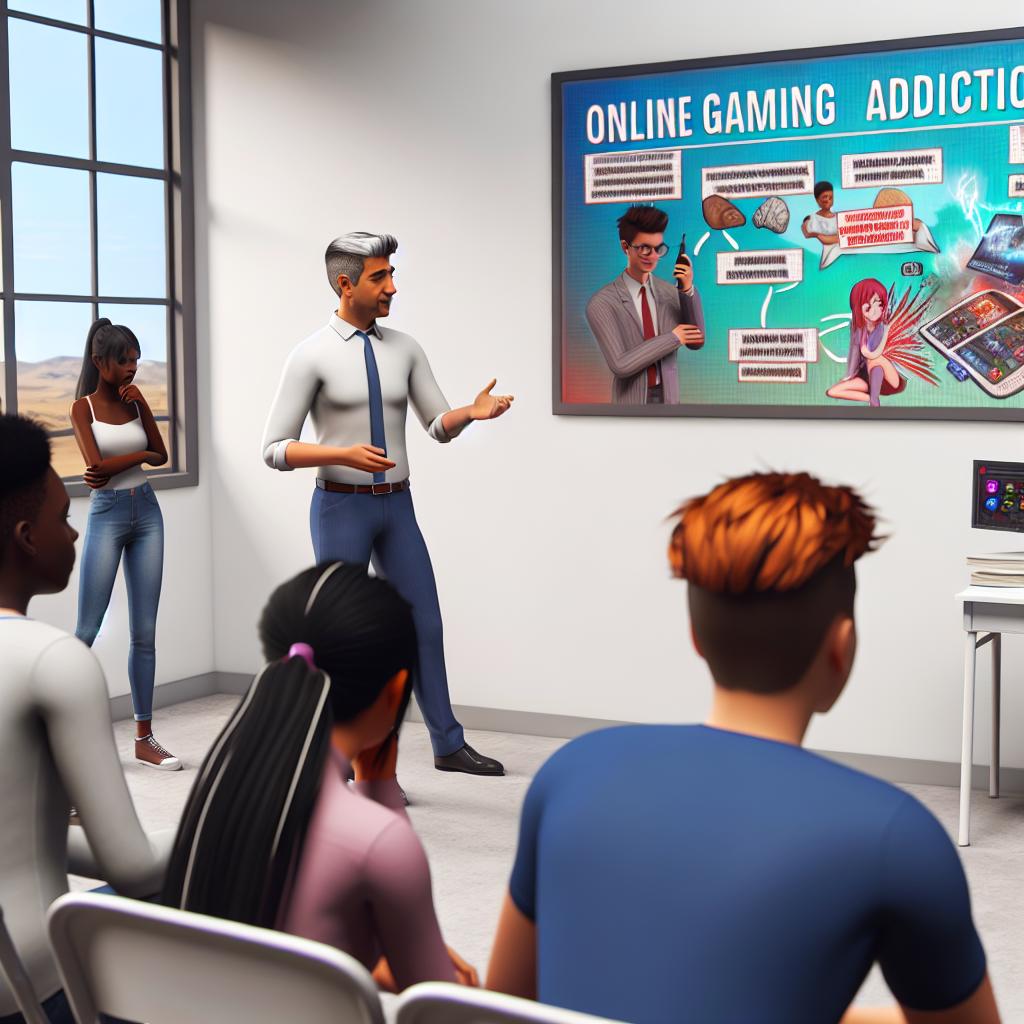
Schools can become proactive environments for teaching students about healthy gaming habits. This involves integrating discussions about gaming into the broader context of mental health education. By doing so, educational institutions can help students develop a balanced relationship with gaming that does not adversely impact their academic performance or social interactions.

Incorporating Education into the Curriculum

Embedding lessons about the potential risks of excessive gaming into the curriculum can be a significant step. Subjects such as health education or even technology-related courses can include modules on gaming addiction. Teachers can use real-life case studies and research findings to illustrate the effects of excessive gaming, helping students understand the real-world consequences.

In addition to classroom learning, schools can organize workshops and seminars where professionals and former gaming addicts share their experiences and insights. These sessions can shed light on the critical balance needed between gaming and other life responsibilities. Furthermore, open dialogue about the impacts of gaming can make students feel more connected and less reluctant to ask for help.

Parental Involvement and Intervention

Schools should also engage parents by providing resources and workshops. Educating parents about the signs of gaming addiction and effective intervention strategies can be crucial. By working together, parents and schools can create a support system that empowers students to make informed choices about their gaming activities.

Parents can play a crucial role in monitoring gaming activities at home. Establishing a family media plan that includes time limits for gaming, ensuring that games are age-appropriate, and engaging in gaming activities with their children can help monitor and manage gaming habits. Schools can equip parents with strategies to effectively communicate with their children about their gaming experiences and guide them towards healthy digital behaviors.

Promoting Healthy Digital Habits

Promoting healthy digital habits can be part of a school’s broader strategy, emphasizing the importance of moderation and time management. Encouraging students to allocate time for various activities, including physical exercise, social interaction, and academic work, helps ensure that gaming doesn’t dominate their lives.

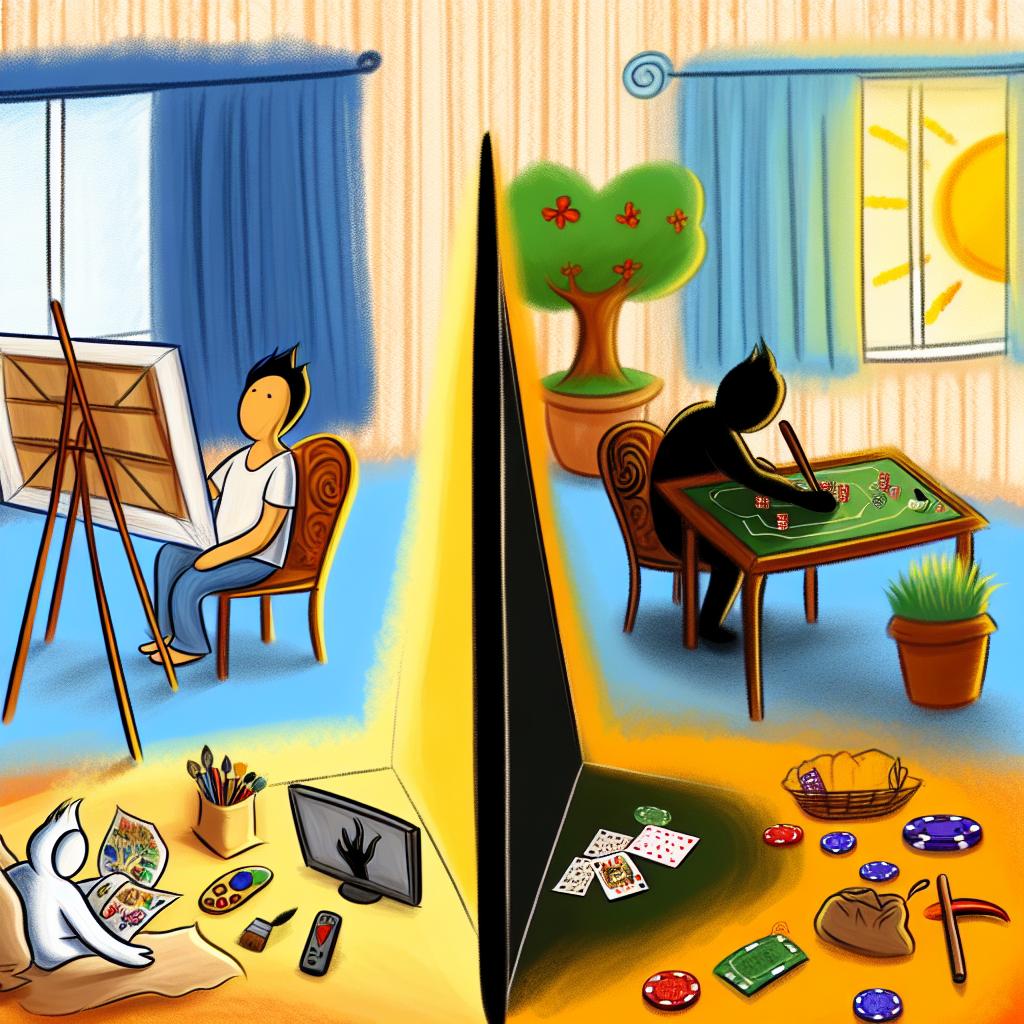
Creating an environment that promotes balance is vital. Encouraging students to participate in extracurricular activities, whether sports, arts, or clubs, can provide alternative sources of engagement and fulfillment. This balanced approach fosters a holistic development that is crucial in preventing excessive gaming from becoming a problem.

Supportive Counseling Services

Schools can provide counseling services tailored to students who might be struggling with gaming addiction. Counselors equipped with knowledge about gaming addiction can offer guidance and support, helping students establish a healthier balance between gaming and other life aspects.

These counseling services should ideally integrate individual assessments to understand each student’s relationship with gaming. Through therapy sessions, students can learn about self-regulation, develop coping strategies for gaming urges, and explore the underlying reasons for their gaming habits. Group counseling sessions can also foster peer support, making students feel less isolated in their journey to recovery.

The Crucial Role of Awareness

Ultimately, the goal of schools in combating gaming addiction should be to raise awareness and provide students with the tools they need to engage with video games responsibly. Through education and collaboration with parents and mental health professionals, schools can play a significant role in preventing and addressing gaming addiction, promoting overall well-being among students.

Awareness initiatives go beyond the classroom. Schools can host awareness weeks dedicated to understanding digital life and health. Publishing informative content in school newsletters, maintaining updated information on school websites, and using social media channels to engage the wider community in these conversations are effective methods.

Combating gaming addiction requires a comprehensive approach that involves all stakeholders, including students, parents, educators, and mental health professionals. By fostering environments that prioritize health and awareness, educational institutions can not only alleviate the issue of gaming addiction but also empower students to lead balanced and fulfilling lives in a digital age.


Encouraging alternative hobbies and activities

Introduction to Alternative Hobbies

Engaging in alternative hobbies and activities can provide numerous benefits, including enhancing mental wellness, fostering creativity, and promoting lifelong learning. As modern life becomes increasingly fast-paced, finding activities that offer relaxation and personal growth is essential. Exploring these hobbies can lead to greater levels of happiness and contentment while providing a unique escape from the stressors that surround us daily. Furthermore, indulging in such activities doesn’t only serve the purpose of enjoyment; they also offer significant contributions to personal development.

Understanding Alternative Hobbies

Alternative hobbies are those that diverge from mainstream pastimes. They offer unique experiences and can be more inclusive of niche interests. Participating in these activities can promote mental well-being and provide opportunities to meet individuals with similar passions. These hobbies can range from physical activities such as parkour or rock climbing to more intellectually stimulating activities like board game design or origami construction. These hobbies encourage individuals to step out of their comfort zones and try something new, paving the way for both personal satisfaction and interpersonal connections. Moreover, they offer the chance to explore and invest time in areas that align closely with one’s values, interests, and passions, effectively enriching the individual’s lifestyle.

Benefits of Engaging in Alternative Hobbies

Incorporating alternative hobbies into one’s lifestyle can lead to several positive outcomes, greatly impacting overall life satisfaction.

Stress Reduction: Many alternative activities involve mindfulness and relaxation, which can help reduce stress levels. For instance, practicing yoga or tai chi often incorporates elements of meditation and centered breathing, fostering a sense of peace and tranquility. Such practices allow individuals to unwind and focus on the present moment, effectively diminishing stress and anxiety.

Skill Development: Engaging in new hobbies often requires learning new skills or improving existing abilities. By consistently participating in these activities, individuals can acquire new knowledge and capabilities. For example, learning a musical instrument such as the violin or piano involves understanding complex theories and techniques, expanding both cognitive abilities and artistic expression.

Increased Social Interaction: Many hobbies have communities or groups that participants can join, fostering social connections. Connecting with like-minded individuals through book clubs, amateur sports leagues, or craft circles can help build lasting friendships and offer valuable networking opportunities.

Examples of Alternative Hobbies

There are numerous alternative hobbies to consider, each providing unique experiences. Exploring these hobbies can lead to newfound interests and skills while enriching one’s lifestyle.

Urban Gardening: This activity involves growing plants in urban environments, often utilizing small spaces effectively. It promotes sustainability and provides a rewarding experience as one watches their efforts come to fruition. Urban gardening can range from window box gardens to more elaborate rooftop horticulture exploits, allowing individuals to connect with nature within an otherwise bustling city landscape.

Geocaching: An outdoor recreational activity involving the use of GPS to hide and seek containers, called “geocaches.” It’s a unique way to explore various locations while integrating elements of adventure and problem-solving. Participants collaborate by sharing clues and coordinates, creating a global community bound by shared treasure hunts and experiences.

Woodcarving: A form of woodworking used to create sculptures or intricate designs. This hobby can be both meditative and skill-enhancing, catering to creativity and precision. It allows individuals to work with their hands and directly see the tangible results of their craftsmanship, making it a deeply fulfilling pastime.

Exploring Digital Hobbies

In the digital age, some alternative hobbies can be pursued online, offering a new dimension to traditional leisure activities.

Virtual Reality Exploration: VR technology allows users to explore new worlds and experiences from the comfort of their home. Whether it’s traversing historical sites, engaging in simulated sports, or exploring fantastical universes, VR offers an immersive escape that broadens the perception of reality. It adds a virtual yet meaningful dimension to recreation, education, and even social interaction.

Digital Art Creation: Producing art using software can help develop artistic skills without the need for physical materials. Through platforms that support painting, sketching, or graphic design, individuals can unleash their creativity and design expressive works. The digital nature of this hobby provides infinite opportunities for experimentation and modification, urging artists to think innovatively.

Starting a New Hobby

Beginning a new hobby can seem daunting, but with the right approach, it can be an enjoyable experience. Starting with the basics and gradually advancing helps set a solid foundation, where individuals can delve deeper into their chosen hobby with confidence.

Research: Take the time to research various hobbies that interest you. Consider watching online tutorials or joining forums where knowledgeable enthusiasts might share insights. Understanding the nuances and requirements of a hobby helps in making an informed decision, ensuring you pick something suited to your interests and capabilities.

Start Small: Begin with a basic understanding and gradually work up to more complex techniques or projects. Approaching a hobby with patience and setting realistic goals can transform the initial overwhelming thoughts into exciting milestones to achieve.

Commitment: Allocate regular time for your hobby to ensure consistent practice and improvement. Dedication ensures that skills are honed and enjoyment is sustained, leading to long-term fulfillment and mastery over the hobby chosen.

By exploring alternative hobbies, individuals can discover new passions and improve their overall quality of life. Embracing these activities offers a meaningful way to disconnect from everyday stress while fostering growth in personal and social domains. As these hobbies provide an escape from the mundane, they enrich lives by imbuing deeper connections with the self and with the world at large, encouraging lifelong learning and a harmonious existence.