
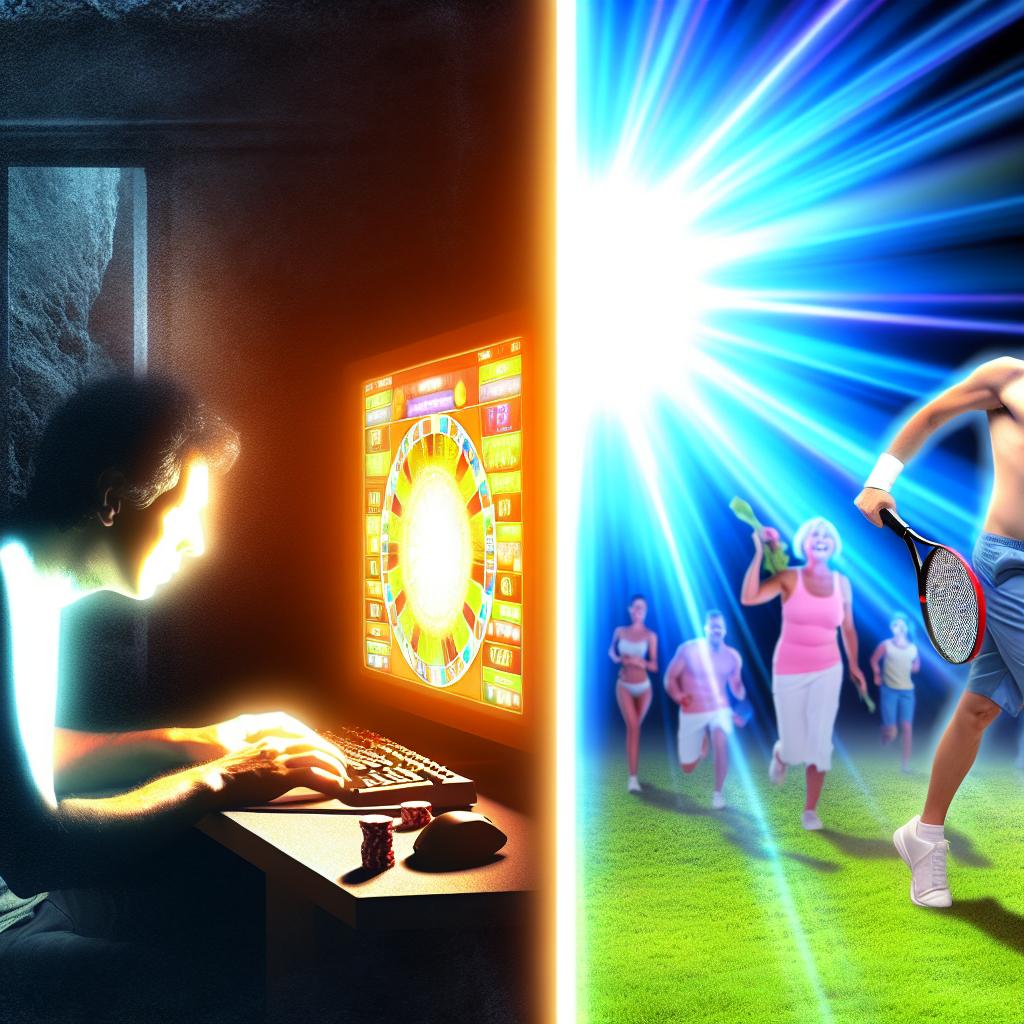
Understanding the Balance Between Gaming and Physical Activity
Gaming has become a prevalent form of entertainment worldwide, yet it often involves prolonged periods of sedentary behavior. In recent years, the global gaming community has observed an increase in the number of individuals who dedicate extensive hours per day to this form of digital amusement. This trend is not restricted by age, as both young and adult players often find themselves engrossed in virtual worlds that captivate their attention for long spans. However, it’s crucial to recognize the potential health implications of such lifestyles. Studies indicate that excessive gaming can contribute to a sedentary lifestyle, potentially impacting physical health. As gaming gains popularity, immersing people in captivating storylines and challenging gameplay, it simultaneously poses a challenge for physical health due to extensive inactivity.
The Health Implications of Sedentary Gaming
Prolonged gaming sessions commonly result in minimal physical movement, leading to concerns such as obesity, poor cardiovascular health, and musculoskeletal issues. The concern here is rooted in the fact that the human body is designed for movement, and extended periods of inactivity can lead to the deterioration of various health aspects. The World Health Organization (WHO) underscores the importance of engaging in at least 150 minutes of moderate aerobic activity weekly to maintain health. This guideline serves as a reminder of the physical requirements necessary to support bodily functions and prevent the onset of disease. Therefore, maintaining a balance between gaming and activity is essential.
One cannot ignore the connection between sedentary gaming and its impact on obesity rates. The correlation is evident as continuous sitting, coupled with potential mindless snacking during gaming, can lead to an excessive energy intake without corresponding energy expenditure, thus contributing to weight gain over time.
Additionally, extended periods of sitting can negatively impact cardiovascular health. The heart is a muscle that requires routine exercise to remain efficient, and the absence of such can lead to a decrease in cardiovascular efficiency. Blood circulation slows, contributing to the risk of developing conditions such as high blood pressure or even heart disease over time.
Musculoskeletal issues are another prominent concern associated with sedentary gaming habits. The static posture typically adopted while gaming can lead to conditions such as back pain, strain in the neck and shoulders, and ultimately poor posture. Over time, these physical strains can lead to chronic conditions that impair mobility and function.
Encouraging Activity with Active Video Games
Incorporating active video games can be a useful strategy to increase physical engagement. Unlike traditional video games that require minimal physical interaction, active video games necessitate various forms of physical movement, effectively transforming gaming into an exercise opportunity. These games provide an avenue where one can maintain an interest in gaming while ensuring physical activity is integrated into their routine.
Active video games utilize motion-sensing technology, compelling players to move their bodies as part of gameplay. This not only aids in burning calories but can also improve coordination and aerobic fitness.
Moreover, such games often embed fitness goals within their design, allowing players to track their progress, set personal goals, and achieve them in an enjoyable manner. For those interested in the benefits of active gaming, exploring resources such as Healthline can provide additional insights and information.
Regular Breaks to Promote Mobility
Taking frequent breaks during gaming sessions is pivotal in promoting mobility. Establishing a routine that includes regular intervals for rising, stretching, or walking fosters a healthier gaming environment. Guidelines suggest taking a short break every hour as an effective measure to counteract the effects of continuous sitting.
These breaks serve multiple purposes. They allow improved circulation, which is crucial in preventing the stiffness and discomfort associated with prolonged periods of inactivity. Brief activities such as stretching can alleviate muscle tension and reinvigorate the body.
Moreover, these regular interruptions not only benefit physical health but also provide cognitive benefits. Taking breaks can enhance concentration and focus when transitioning back to gaming, leading to less mental fatigue and sustaining enjoyment in the activity.
Incorporating Gamified Physical Activities
Gamification of physical activities represents another innovative method to blend gaming with exercise. The use of technology to introduce gaming elements into traditional exercise routines has proven instrumental in motivating individuals who may not otherwise engage in physical activity.
Current apps and devices offer gamified experiences that encourage users to achieve fitness milestones through interactive challenges and rewards. Achievements earned in these virtual spaces enhance motivation, as they relate physical progress to tangible accomplishments. For those interested in exploring such resources, platforms like MyFitnessPal provide diverse tools to help track physical activity alongside gaming interactions.
Beyond personal benefits, these gamified systems often incorporate social elements, allowing users to connect, compete, and collaborate with others. The social aspect adds a layer of motivation, as gamers often thrive in competitive environments, making this an effective way to embed exercise naturally into their routines.
Conclusion
Promoting balanced habits between gaming and physical exercise is vital for maintaining overall health. By leveraging technology and adjusting routines, individuals can enjoy gaming while still prioritizing their physical well-being. The goal is to foster an equilibrium where one’s love for gaming does not come at the expense of physical health. Each player can find methods that work for them, whether it’s integrating active video games, scheduling regular breaks, or using gamified apps to enhance their activity levels. Encouraging this balance not only supports individual health but also contributes positively to broader societal health trends as gaming remains an integral part of modern entertainment.