
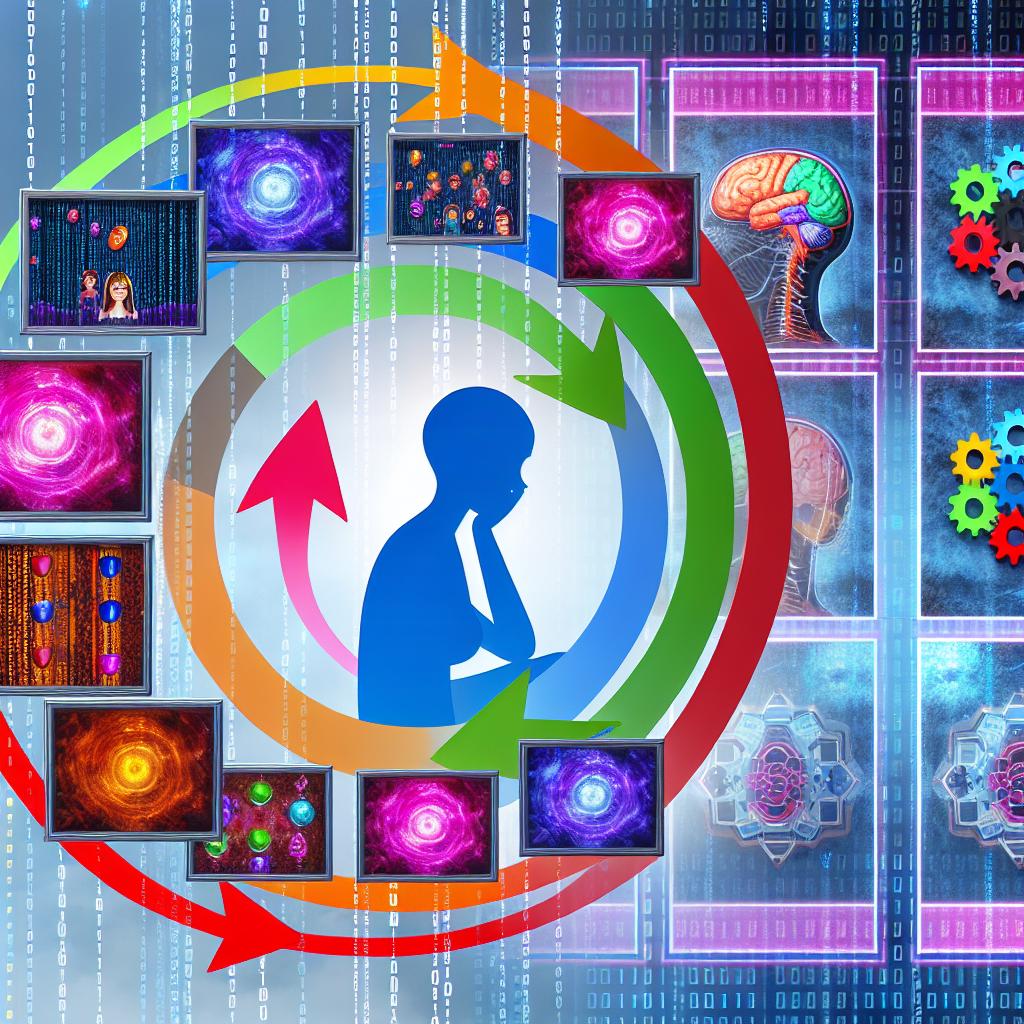
Understanding AI and Algorithms in Gaming
In recent years, the integration of artificial intelligence (AI) and complex algorithms in gaming has significantly transformed the landscape for both developers and players. Through the employment of AI, game creators are now able to design more interactive, engaging, and personalized experiences. While these advancements have enriched gaming experiences, they also pose challenges, such as the potential for fostering compulsive gaming behaviors among players. This article delves into the various roles AI and algorithms play in modern gaming and examines their potential impacts on users.
The Role of AI in Modern Gaming
AI has become an indispensable component in gaming, especially in the development of non-player characters (NPCs) that contribute to the vibrancy and dynamism of game worlds. These NPCs, often intertwined with dynamic storylines, are able to adapt to players’ actions within the game, making each play session unique. This adaptability stems from advanced techniques such as machine learning and predictive analytics, which further enhance the realism of games and sustain player engagement over prolonged periods.
Algorithms Driving Gameplay
Algorithms are at the heart of maintaining user engagement in contemporary video games. These computational systems meticulously analyze player behavior, enabling the game environments to adapt accordingly. This adaptability ensures that players remain immersed in the experience. For instance, difficulty levels within a game might dynamically adjust based on a player’s performance metrics. By scaling challenges appropriately, games can achieve a balance that keeps players invested without causing undue frustration or boredom.
Personalization and Recommendations
The personalized nature of modern gaming is largely driven by algorithms that analyze extensive data, including play history and player interaction patterns. This data-driven approach enables games to offer tailor-made suggestions, such as recommending new games or suggesting specific in-game purchases that align with a player’s preferences and past behaviors. To explore these personalized gaming experiences further, industry experts often publish detailed studies and reports, some of which can be found at this publication.
Loot Boxes and In-Game Purchases
Another algorithm-driven feature prevalent in many games is the concept of loot boxes and other random rewards mechanisms. These systems often trigger psychological responses similar to gambling, presenting a significant challenge due to their potential to induce compulsive spending behaviors. Without adequate regulation and awareness, these mechanisms could lead to detrimental outcomes, particularly for susceptible players.
Impact on Gamers’ Well-being
While the contributions of AI and algorithms to gaming are largely beneficial, they do raise concerns regarding players’ mental and physical health. The immersive nature of these technologies, combined with continuous and prolonged exposure, has the potential to foster addictive behaviors. This can negatively impact a player’s well-being, underscoring the necessity of balancing gaming with other life activities. Players and caregivers need to stay vigilant for potential signs of gaming disorders and seek interventions when required.
Future Trends and Ethical Considerations
As AI and algorithms become more entwined within the fabric of gaming, a focus on ethical considerations is imperative. Developers face the challenge of creating transparent systems that thwart the exploitation of vulnerable players. Gaming companies bear the responsibility to prioritize developing ethical guidelines while innovating and rolling out new gaming technologies. Ensuring that player safety and well-being are at the forefront of their efforts is paramount.
For those interested in future ethics in game design, industry-led discussions and conferences offer invaluable perspectives. Insights from such gatherings can be explored through platforms like this conference.
By staying well-informed and critically evaluating the role these technologies play in gaming, stakeholders, including developers, players, and regulators, can collaborate to foster healthier gaming environments and communities. In doing so, they contribute to a landscape where technological advances in gaming enhance rather than compromise well-being, offering safe, rewarding experiences for all.