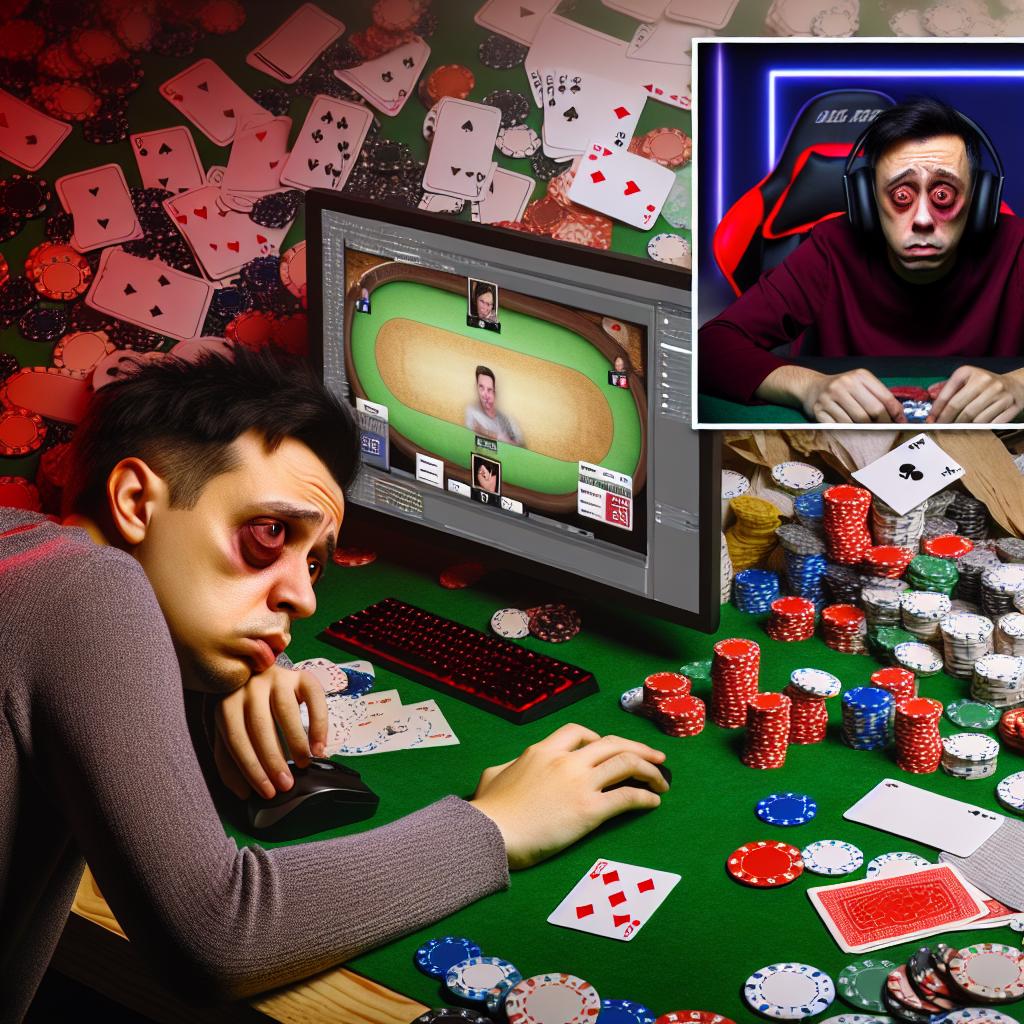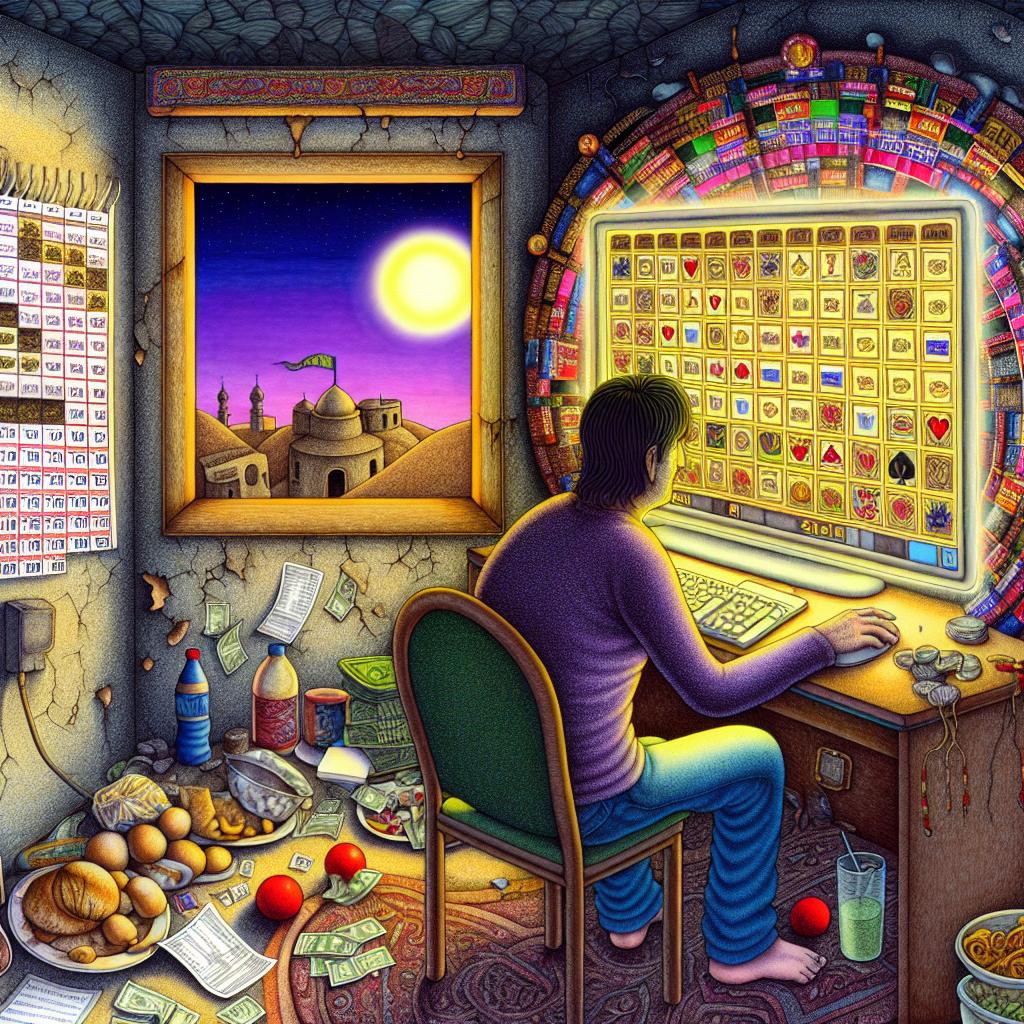

Online multiplayer games and addiction

Understanding Online Multiplayer Games and Their Potential for Addiction

Online multiplayer games have become a cornerstone of modern entertainment, boasting millions of active users worldwide. These games, which allow numerous players to interact and compete with each other in virtual environments, have created a digital platform that transcends geographic boundaries. However, alongside their popularity, there is an increasing concern about their potential for addiction.

What Defines Online Multiplayer Games?

Online multiplayer games are video games that connect players over the internet. They can range from simple browser-based experiences to complex, highly interactive platforms that support extensive player communities. These games often emphasize teamwork, real-time strategy, and social interaction, making them attractive to a broad audience.

The Appeal of Online Multiplayer Games

Several elements contribute to the widespread appeal and immersive nature of online multiplayer games. A key factor is the social interaction they provide. Players can join vast communities, form friendships, and communicate in real-time, which enhances the gaming experience. Furthermore, competition and achievement systems motivate players to improve their skills and reach new levels or rankings.

Another enticing feature is the continuous updates and seasonal events that developers introduce. These updates keep the content fresh and engaging, encouraging players to return consistently. By incorporating elements of surprise and novelty, game developers sustain gamers’ interest and involvement, ensuring that players are regularly captivated by new challenges.

The Social Dynamics of Gaming

Besides direct gameplay, online multiplayer games often promote complex social structures. From forming guilds to participating in large-scale in-game events, players are placed in scenarios that can foster leadership skills, strategic thinking, and group coordination. These social dynamics provide players with a sense of belonging and purpose, enhancing the appeal of the game environment.

Understanding Game Addiction

While many players engage with online multiplayer games without negative effects, there is a segment that experiences addictive behaviors. Gaming addiction is characterized by a compulsive engagement with video games, leading to significant interference with daily life and responsibilities.

Symptoms of gaming addiction can include excessive time spent gaming, withdrawal symptoms when not playing, neglect of personal, social, or academic obligations, and decreased interest in other activities. The psychological mechanisms underpinning gaming addiction are complex, often involving reward pathways in the brain and the triggering of dopamine release, reinforcing the desire to continue gameplay.

The World Health Organization has recognized “Gaming Disorder” as a health condition, highlighting the potential severity of excessive gaming behavior. More information about their classification can be accessed in their official resources.

The Digital Economy and Its Role in Game Design

One can’t overlook the role of the digital economy in contributing to game addiction. Many online multiplayer games utilize microtransactions and in-game purchases to enhance profitability. Such features encourage spending and continuous engagement, as players are often tempted to purchase in-game currency or items to boost their experience or status within the game. This monetization strategy can exacerbate addictive behavior, as players feel compelled to invest both time and money to remain competitive or socially relevant in the game world.

Strategies to Mitigate Addiction

Preventing or mitigating gaming addiction involves several strategies. Players and guardians can establish time limits to ensure a healthy balance between gaming and other activities. Awareness and conscientious regulation of gaming hours are imperative to avoid the adverse effects of prolonged gaming.

Encouraging regular breaks and promoting a diverse range of hobbies can also help prevent excessive gaming. These alternative activities can help players broaden their interests, providing a more balanced lifestyle. Parents and guardians should monitor and guide young players, ensuring that gaming serves as a recreational activity rather than an all-consuming pursuit.

For those already experiencing issues, seeking professional help from a psychologist or counselor can provide tailored strategies and interventions. Professional guidance is essential for addressing the root causes of addiction and formulating effective coping mechanisms. Support groups or online communities may also offer assistance and fellowship to those recovering from gaming addiction, providing a shared platform for discussing experiences and strategies for staying gaming-free.

The Future of Gaming and Society

As the gaming industry evolves, so too do the ways in which players engage with these platforms. There is an ongoing dialogue concerning the social responsibilities of game developers in designing games that are both engaging and ethically considerate. This includes balancing commercial interests with the welfare of their user base, implementing features that promote safe gaming behaviors, and contributing positively to research and discussions about gaming addiction.

The gaming community, developers, and policymakers must collaboratively address the challenges posed by gaming addiction, ensuring that gaming remains a healthy aspect of modern culture. Educators can also play a role by integrating discussions about responsible gaming into educational curricula, raising awareness about potential risks early in life.

In conclusion, while online multiplayer games offer immersive and social experiences, their potential for addiction is a genuine concern. A balanced and mindful approach can help ensure that gaming remains a healthy part of one’s lifestyle. It is vital to remain vigilant and proactive in promoting responsible gaming practices, ensuring that players prioritize their well-being and maintain control over their gaming habits.


Problematic gaming on consoles (Xbox, PlayStation)

Overview of Problematic Gaming on Consoles

The rise of video gaming has brought about numerous benefits, from entertainment to cognitive development. However, problematic gaming on consoles such as Xbox and PlayStation is a growing concern. This article examines the factors contributing to this issue, its potential impacts, and available solutions.

Understanding Problematic Gaming

Problematic gaming is not merely about spending excessive time in front of a console. It is characterized by an inability to control the amount of time spent playing, despite negative consequences on one’s personal, social, or professional life. The advent of online multiplayer experiences and the expanding universe of immersive games have further blurred the line between leisure and excessive consumption.

This increasing trend has led to a distinctive divergence between casual gamers and those whose gaming habits may now be classified as problematic. Understanding this distinction is crucial, as it assists in identifying the underlying behavioral and psychological elements that can escalate casual gaming into an area of concern.

Contributing Factors

Several factors contribute to problematic gaming. Game design itself can play a significant role, as games are engineered to be engaging and often encourage extended play through varied reward systems. This gamification engages different psychological triggers such as achievement and progression, which can become deeply rewarding and, at times, addictive. The mechanics of these games, from achieving new levels to unlocking rare items, can create a cycle of motivation and reward that is compelling for players.

Additionally, social interaction within these games can lead to prolonged gaming sessions. The global connectivity offered by platforms like Xbox Live and PlayStation Network enhances this aspect, often making players feel an obligation to participate in team or community-based activities. This can involve participating in scheduled events, competitions, or simply maintaining a presence in an online community, all of which can significantly extend the time spent gaming.

Poor coping mechanisms and escapism are also factors. Individuals facing personal issues may turn to gaming as an escape, which could lead to unhealthy patterns of use. In this digital arena, players may find temporary respite from stress or anxiety, providing an alternate reality where they can exert control and experience a sense of accomplishment.

Concerns are also heightened by the accessibility of consoles, especially with the increasing availability of affordable gaming systems and widespread internet connectivity, which make it easier than ever for players to continuously engage in gaming activities.

Potential Impacts

Problematic gaming can have several adverse effects. These include physical health issues such as eye strain and musculoskeletal disorders, which emerge from prolonged use of gaming consoles and poor ergonomics. Gaming for extended periods without appropriate breaks often leads to conditions like carpal tunnel syndrome or back pain.

Mental health challenges are also prevalent among those engaged in excessive gaming. Depression and anxiety can be exacerbated by prolonged gaming sessions, particularly when players use gaming as a primary stress-relief mechanism. The disruption of daily routines can lead to deteriorating relationships, as social interactions outside of the gaming context become limited. Additionally, poor academic or professional performance is a significant consequence, with gaming interfering with responsibilities and time management.

Moreover, financial implications can arise, especially with in-game purchases and subscription fees contributing to monetary stress in some cases. Players may find themselves spending excessively on downloadable content (DLC), cosmetics, or other virtual goods, which can accumulate quickly and lead to significant financial burdens.

Solutions and Interventions

Addressing problematic gaming involves a multi-faceted approach. Monitoring and setting limits on gaming time can be a practical solution. Both Xbox and PlayStation offer parental control features that allow users to restrict time spent on games. More information on these controls can be found on their respective support pages: Xbox support and PlayStation support.

Parents and guardians can use these tools to establish a structured gaming routine, encouraging a healthier balance between gaming and other vital activities. This can also foster discussions within families about responsible gaming habits and the importance of setting realistic gaming schedules.

In a therapeutic context, Cognitive Behavioral Therapy (CBT) has been shown to be an effective treatment for gaming addiction. This intervention helps individuals identify the underlying issues contributing to their gaming habits and develop healthier coping strategies. Through CBT, individuals can learn to recognize the cognitive patterns that drive their gaming urges and replace these with more adaptive behaviors.

Engaging in alternative activities such as exercise, reading, or socializing in the real world provides a balance that could mitigate the compulsion to game excessively. Encouraging participation in sports, arts, or community events can offer enjoyable substitutes that fulfill the social and recreational void that might otherwise be filled by gaming.

In more severe cases, professional help may be required, including counseling services or specialized programs addressing behavioral addictions. This structured support can be vital for those who are struggling to manage their gaming habits independently.

Conclusion

Problematic gaming on consoles is a complex issue that requires awareness and intervention. By understanding the contributing factors and impacts, affected individuals and their families can take steps toward healthier gaming habits. Prevention and timely intervention are crucial to maintaining the benefits of gaming while minimizing its potential harms.

Creating a balanced approach to gaming can ensure that its enjoyment and benefits are sustained, while its risks are adequately managed. Taking proactive measures not only supports gaming enthusiasts but also promotes healthier engagement and appreciation of video gaming as a form of entertainment and personal development.


Addiction to mobile games

Understanding Mobile Game Addiction

With the advent and rapid proliferation of smartphones, mobile game addiction has garnered substantial attention. Recognized as a subset of broader technology addiction, this issue is characterized by the excessive and compulsive use of mobile games, which can significantly impact an individual’s daily life. This phenomenon is prevalent across the globe and affects a wide array of demographic groups, ranging from children to adults.

Delving into the Mechanics Behind Mobile Game Addiction

Mobile games are meticulously crafted to be highly engaging and entertaining, often incorporating several elements that contribute to their addictive nature:

Reward Systems:

One of the core mechanisms utilized by mobile games to maintain user engagement is the implementation of reward systems. These systems are often based on psychological concepts such as variable-ratio scheduling, where rewards are doled out after an unpredictable number of responses. This unpredictability keeps users intrigued and immersed, as the prospect of earning rewards after each action can sustain engagement over extended periods.

Social Interaction:

Another significant factor contributing to mobile game addiction is the incorporation of social elements within these games. Many mobile games are designed to foster a sense of community, which can be particularly appealing to individuals seeking social connections. These games frequently enable communication and competition with other players, which can enhance the gaming experience and perpetuate sustained play.

Accessibility:

The unmatched convenience of mobile games also plays a crucial role in fostering addictive behavior. Being available at any time and in virtually any location, mobile games provide users with immediate access to entertainment. This easy accessibility can lead to excessive play, as individuals can indulge in gaming anywhere, further fueling addictive tendencies.

The Wide-Ranging Impact of Mobile Game Addiction

The ramifications of mobile game addiction are extensive, affecting various facets of a person’s life, including mental health, physical health, and social relationships:

Mental Health:

The mental health implications of excessive gaming are notable, with players potentially experiencing elevated levels of anxiety and depression. The commitments and social dynamics within games can induce significant stress, making it crucial to understand the mental toll constant gaming may exert.

Physical Health:

The physical health of individuals frequently engrossed in mobile gaming can also suffer. Prolonged gaming sessions are often associated with physical issues such as eye strain, poor posture, and sleep disturbances. Moreover, the sedentary lifestyle accompanying extended gaming can lead to other health concerns related to a lack of physical activity.

Social Life:

The social implications of mobile game addiction can be profound. The more time individuals devote to gaming, the less time they may have available for meaningful face-to-face interactions. This can result in social isolation and strain relationships with family and friends, emphasizing the potential social costs of unchecked gaming.

Approaches to Diagnosis and Intervention

Addressing mobile game addiction necessitates both accurate identification and effective intervention. The inclusion of “Gaming Disorder” in the International Classification of Diseases by the World Health Organization underscores the importance of medical and psychological interventions in tackling this issue.

Identification:

Recognizing the signs of addiction is the first step in addressing the problem. Typical indicators include a preoccupation with gaming, experiencing withdrawal symptoms when unable to play, unsuccessful attempts to reduce playtime, and persistent gaming despite adverse consequences. Early identification is critical to preventing further detriment to one’s mental and physical health.

Intervention:

Intervention strategies are essential in helping individuals overcome mobile game addiction. Professional assistance, including therapy focused on behavioral modification, can be highly beneficial. Cognitive-Behavioral Therapy (CBT) is frequently employed to reform gaming habits. Furthermore, involving family members in the intervention process can significantly enhance the effectiveness of these strategies, providing individuals with a supportive environment for recovery.

Resources for Further Information

For individuals seeking additional information about mobile game addiction and potential treatment options, a plethora of resources are available. Organizations such as the American Medical Association and the World Health Organization, along with various addiction support groups, offer valuable insights and tools to address this pressing issue. Recognizing the signs of addiction and seeking timely help are vital steps in mitigating the adverse effects of mobile game addiction.

Efforts to combat mobile game addiction must continue to evolve alongside advancements in mobile technology. By fostering awareness and offering robust support systems, the negative impacts of this addiction on individuals and society at large can be effectively managed. Understanding the complex dynamics that contribute to addiction and proactively seeking intervention are crucial in ensuring healthier engagement with mobile games.


Media influence and gaming culture

Understanding Media Influence on Gaming Culture

The intersection of media and gaming culture is an evolving landscape where influence plays a critical role. To understand this relationship, it’s essential to explore how media shapes perceptions, trends, and behaviors within the gaming community.

The Role of Media in Shaping Gaming Narratives

Media outlets, including television, online platforms, and streaming services, significantly influence gaming culture by shaping narratives around games and the gaming industry. They can introduce new games, highlight player achievements, and provide platforms for discussing both positive aspects and criticisms of gaming practices.

Positive Influence Through Coverage and Critique

Media coverage can bring attention to innovative games and developers, providing them with broader exposure. It also serves as a platform for critiques, offering reviews and analysis that can guide player choices. For instance, gaming reviews on sites like IGN or Polygon help players make informed decisions about their purchases.

The media landscape offers an essential avenue for developers who lack the vast marketing budgets of larger corporations. Press coverage can propel an indie game into the limelight, fueling its popularity and success. By highlighting uniqueness or artistic merit in such games, media enables smaller developers to harness significant attention, which can sometimes make or break a game’s trajectory.

Challenges of Representation and Stereotyping

Conversely, media can also perpetuate stereotypes or misrepresent certain aspects of gaming culture. This can include reinforcing negative stereotypes about gamers or overlooking diversity within the gaming community. Addressing these issues is crucial for media outlets looking to provide a balanced view of the gaming world.

The portrayal of gamers as anti-social or overly aggressive is a stereotype that has persisted in some media representations. Such portrayals disregard the diversity and richness found within the gaming world, which includes a multitude of genres that foster cooperation, creativity, and critical thinking. To enhance the accuracy of the portrayal of gaming culture, media outlets must strive to include a variety of voices and experiences, promoting more inclusivity and ensuring a comprehensive depiction of what it means to be a gamer.

Impact of Streaming and Social Media

Streaming platforms such as Twitch and social media networks have democratized content creation, allowing gamers to share experiences and build communities. This shift has had a profound impact on the culture of gaming.

Rise of the Influencer

Influencers play a significant role in shaping gaming trends. With large followings on platforms like YouTube or Twitch, these individuals can sway public opinion about games, impacting sales and popularity. They often highlight new features, showcase gameplay, and engage directly with audiences, bridging the gap between developers and consumers.

Influencers often act as intermediaries between game developers and the audience, providing firsthand insights into gameplay mechanics and storyline. Through their videos and streams, they offer a unique perspective that can validate or challenge public expectations about a game. Their impact on purchases and player engagement cannot be understated, as many enthusiasts rely on influencer feedback to make their gaming choices.

Community Engagement and Interaction

Social media and streaming create spaces for gamers to connect and engage with one another. These platforms allow for real-time interaction and foster a sense of community around games, enhancing the overall gaming experience. Players can share tips, collaborate, and even participate in competitive events.

Furthermore, the interactive nature of live streams transforms spectators into active participants, encouraging immediate feedback and community involvement. Streamers frequently incorporate their audience into the game through polls, live commentaries, or guest appearances. This bidirectional flow of communication nurtures a community atmosphere, turning passive viewers into an integral part of the gaming journey.

Gaming Journalism and Ethics

The relationship between media and gaming culture is also shaped by the ethics of gaming journalism. Trustworthy reporting and transparent reviews are essential for maintaining credibility among audiences.

Ensuring Transparency and Fairness

Gaming journalism must prioritize ethical standards to maintain trust. This includes disclosing conflicts of interest, providing unbiased reviews, and avoiding sensationalism. Journals like GameSpot emphasize ethical reporting to foster credibility.

In an industry where close ties between developers and journalists can cloud impartiality, establishing ethical guidelines is crucial. Transparency about sponsorships, early access privileges, or any financial ties to game publishers can mitigate potential biases, restoring faith among consumers who rely heavily on these sources for authentic information.

Key Aspects of Ethical Journalism

To delve deeper into the facets of ethical journalism, one must consider the accountability of journalists and their responsibility to foster accuracy in reporting. Ethical journalism goes beyond simply avoiding plagiarism or misrepresentation; it encompasses a commitment to truthfulness and providing context to claims. Reporters ought not only to share what’s occurring within the gaming realm but should also explain why it matters, thus producing a more meaningful connection with their audience.

The Future of Media Influence in Gaming

As media continues to influence gaming culture, its role will likely evolve with technological advancements and changing consumer behaviors. Understanding this dynamic is crucial for stakeholders within the gaming industry to adapt and thrive.

The future trajectory of media influence on gaming will likely be shaped by the emergence of new technologies like virtual reality, augmented reality, and artificial intelligence. These technologies promise to redefine gaming experiences, broadening the palette of possibilities for development and storytelling. As media adjusts to embrace these innovations, their coverage may also expand to explore their implications on interactive entertainment, usability, and market trends.

Consumers, developers, and media entities alike must remain agile, adapting to this continuously shifting terrain to harness gaming’s evolving narratives and community dimensions. By doing so, they can ensure that gaming’s growth is inclusive, innovative, and rooted in both the past and the future.


Government policies for regulating problem gaming

Introduction to Problem Gaming

Problem gaming, often referred to as compulsive gaming or gaming addiction, is an escalating concern worldwide as digital technologies proliferate. As the gaming industry continues to expand, the necessity for comprehensive regulations and guidelines to manage gaming behaviors has become more urgent. These behaviors, when unregulated, can result in adverse social and personal outcomes. Consequently, governments globally are taking significant steps to devise strategies aimed at addressing this issue effectively.

Regulatory Frameworks

In response to the challenges posed by problem gaming, various governments have adopted specific regulatory frameworks. These frameworks comprise a mix of legislation, policies, and guidelines that target game developers, publishers, and consumers. The overarching goal is to promote responsible gaming environments while safeguarding vulnerable individuals against possible harms associated with excessive gaming.

Age Restrictions

Among the most prevalent regulatory measures is the imposition of age restrictions on certain video games, especially those containing violent or potentially addictive content. These restrictions are enforced through established age rating systems. For instance, the Entertainment Software Rating Board (ESRB) manages the rating system in the United States, whereas the Pan European Game Information (PEGI) performs a similar function in Europe. Such systems categorize video games based on their appropriateness for various age groups, helping parents and guardians make informed decisions about the games suitable for children.

Self-Exclusion Programs

Another significant aspect of these regulatory measures includes the provision of self-exclusion programs in many jurisdictions. These programs are designed to allow individuals to voluntarily limit their access to gaming platforms. By participating in self-exclusion programs, individuals can ban themselves from online gaming for set periods, thus empowering them to take charge of their gaming habits and prevent addiction.

Limitations on Microtransactions

With the growing trend of in-game purchases, commonly referred to as microtransactions, governments are enforcing strict regulations on these elements. Particular attention is given to “loot boxes,” which are virtual items players can buy or earn, typically containing rewards of random value. Critics argue that these loot boxes often mimic gambling practices, promoting behaviors akin to problem gambling. Thus, some countries have taken restrictive measures against such transactions.

Consumer Protection Policies

Government initiatives are also deeply rooted in enhancing consumer protection within the gaming industry. Policies introduced foster transparency by ensuring that game developers and publishers communicate clearly about aspects like the odds of winning in loot boxes and the real costs associated with in-game purchases. Such transparency initiatives are vital for encouraging informed decision-making among gamers.

Mandatory Warnings

Enforcing mandatory warnings is another policy approach aimed at curbing problem gaming. These warnings, which often appear at the beginning of a game or intermittently during gameplay, remind players of the potential risks associated with prolonged gaming hours. They also encourage players to take regular breaks, thereby contributing to healthier gaming habits.

Parental Controls

To further aid in managing gaming behaviors, especially among minors, governments recommend the use of parental control tools. These tools enable parents to establish boundaries concerning their children’s gaming activities, including playtime limitations and spending caps. Implementing such controls is crucial in minimizing the risk of gaming addiction among children and adolescents.

International Cooperation

While national efforts are crucial, addressing the challenge of problem gaming requires a coordinated global approach. International cooperation is being actively pursued with several countries participating in initiatives to develop best practices and harmonized policies. Projects led by global organizations and cross-border dialogues aim to align different national strategies, thereby creating a more cohesive and effective framework for managing the gaming landscape.

Conclusion

As the gaming industry undergoes constant evolution, it is imperative for governments worldwide to craft and refine policies addressing problem gaming. Achieving a balance between fostering industry growth and technological innovation while ensuring consumer protection calls for adaptive and collaborative approaches. For those seeking further information on specific policies and regulatory frameworks, it might be beneficial to review policy papers from various regulatory bodies or consult official reports from government agencies.

For more detailed insights and updates on gaming regulations, check reputable sources from governmental and intergovernmental organizations. Furthermore, engaging in discussion forums and attending conferences on digital wellness can provide diverse perspectives and experiences related to managing problem gaming.


How excessive gaming affects workplace performance

The Impact of Excessive Gaming on Workplace Performance

The advent of video gaming as a widely embraced recreational activity has introduced both positive and potentially negative implications. While gaming offers entertainment and potential cognitive benefits, there is mounting concern among employers regarding its effects on employee productivity and overall performance. It is crucial for both employers and employees to understand these impacts to maintain a balanced work-life integration.

Decreased Focus and Attention

A primary concern associated with excessive gaming is a possible decline in focus and attention within professional environments. Video games, especially immersive ones such as multiplayer online games, require intense engagement. This engagement can hinder one’s ability to concentrate on work-related tasks. These games often lead to mental fatigue, draining the cognitive resources required for sustaining attention during work hours. Studies suggest that employees who frequently engage in gaming during leisure time may struggle to shift their focus to work activities, thus impacting their productivity levels significantly.

Impact on Sleep Patterns

Another critical issue caused by gaming is the alteration of normal sleep patterns. The screens’ blue light emission and stimulating gaming experiences can delay sleep onset, leading to irregular sleep cycles. Gamers sometimes engage in prolonged gaming sessions, at the expense of sufficient rest, which results in sleep deprivation. Sleep deprivation adversely affects workplace performance by causing errors, diminishing alertness, and impairing decision-making abilities. Quality sleep is essential for maintaining cognitive function and physical health, both vital for peak work performance.

Increased Stress and Anxiety

While gaming might serve as a stress-relief mechanism for some, excessive engagement can paradoxically increase stress and anxiety levels. This increase can be attributed to the competitive and sometimes frustrating nature of challenging gameplay, alongside the pressure of maintaining status in games. Such heightened levels of stress and anxiety can lead to workplace difficulties, disrupting harmonious team interactions and reducing overall job satisfaction and efficiency.

Social Interaction and Teamwork

It’s important to note that the impact of gaming isn’t exclusively negative. When practiced in moderation, gaming can hone skills that are advantageous in professional settings, such as enhanced problem-solving capabilities, improved hand-eye coordination, and strategic thinking. However, excessive gaming may reduce opportunities for face-to-face social interactions, which are pivotal for successful teamwork and collaboration in many work settings. Employees deeply involved in gaming might overlook opportunities to cultivate crucial social skills that are vital for career growth.

Balancing Gaming and Work Responsibilities

Employers have the capability to aid employees in managing their gaming habits to ensure a proper balance with work obligations. Strategies may include support programs aimed at promoting healthy habits, encouraging effective time management, and educating employees about the potential effects of excessive gaming. Implementing such measures can enhance employees’ well-being and productivity. Moreover, creating a workplace culture that prioritizes work-life balance can empower individuals to manage both their leisure and professional responsibilities efficiently.

Guidelines and Resources

To stay informed about maintaining productivity amidst evolving work environments, employees and employers can refer to resources from organizations like the Centers for Disease Control and Prevention or the National Institute of Mental Health. These organizations offer valuable insights on managing screen time and promoting mental well-being, crucial elements in managing gaming habits effectively.

Ongoing Research and Future Directions

Continued research is essential in this field to gain deeper insights into the diverse impacts gaming may have on individuals. A better understanding of these nuances will aid in developing effective strategies to support employees in achieving a harmonious balance between work-related and leisure activities. Future studies could explore personalized approaches tailored to individual needs, promoting a more nuanced understanding of how gaming fits into a healthy lifestyle.

Incorporating Balanced Gaming Practices

To address the potential negative impacts of excessive gaming, building awareness and fostering responsibility in gaming habits are vital. Employers can encourage a shift toward mindful gaming, where employees set limits on gaming time, actively choose games that promote relaxation, and consciously integrate gaming into their broader lifestyle. Encouraging open conversations about gaming habits and their impact can build a culture of mutual understanding, fostering environments that support healthy and productive behaviors. For example, companies could organize workshops or seminars focusing on practical strategies for balancing gaming with work commitments, thereby actively engaging employees in crafting their work-life equilibrium.

Conclusion

In conclusion, while video gaming remains a popular and beneficial leisure activity for many, there is a clear need for awareness regarding its potential impact on workplace performance. Through strategic interventions and continuous dialogue, both employers and employees can work towards mitigating negative effects while maximizing the positive attributes gaming can contribute to professional environments. The ultimate goal lies in fostering a balanced lifestyle wherein gaming complements rather than disrupts an individual’s professional ambitions and workplace productivity.


Gaming addiction and criminal behavior

Understanding Gaming Addiction

Gaming addiction, also referred to as Internet Gaming Disorder, is a behavioral addiction that can significantly impact a person’s daily life due to excessive or compulsive engagement in computer or video games. This disorder was recognized by the World Health Organization (WHO) and included in the International Classification of Diseases (ICD-11) in 2019. Some of the primary indicators of gaming addiction include an impaired ability to control gaming habits, prioritizing gaming over other vital life interests, and the persistence or intensification of gaming behaviors despite negative repercussions.

Characteristics of Gaming Addiction

Gaming addiction exhibits similarities with other behavioral addictions, such as compulsive gambling. Individuals affected by this disorder often engage in gaming activities for extended periods, neglecting essential responsibilities like work, education, or social interaction. Despite being aware of the adverse effects, they continue gaming, leading to significant impairments in personal, family, social, educational, or occupational functioning.

Potential Causes

Several factors may contribute to the onset of gaming addiction. Psychological elements such as low self-esteem, poor stress management, and a tendency to escape from reality are prevalent among those affected. Moreover, the immersive nature and reward systems ingrained in video games can strongly captivate players. Social influences, particularly a lack of support and meaningful real-world relationships, might also play a significant role in developing this addiction.

Link Between Gaming Addiction and Criminal Behavior

While gaming itself does not directly cause criminal activity, there may be indirect associations between gaming addiction and certain criminal behaviors. The connection between gaming addiction and criminal acts can emerge from various factors:

Social Isolation and Behavioral Impact

Continuous gaming can lead to social isolation, withdrawal from family and friends, and diminished participation in community activities. This isolation may exacerbate existing emotional or psychological issues, increasing the likelihood of engaging in antisocial or criminal activities as individuals might seek alternative ways to express themselves or fulfill needs unmet through social interactions.

Financial Strain

Excessive gaming often results in financial challenges due to the purchase of game-related items or technological equipment. If their addiction hampers their ability to work or manage finances, individuals might resort to theft, fraud, or other financially motivated criminal behaviors to sustain their gaming habits or meet basic needs.

Exposure to Virtual Violence

The exposure to violent content in video games may affect behavior, especially in individuals predisposed to aggressive behaviors. Though the direct causation between violent gaming content and criminal behavior is complex and often debated, such exposure might normalize or desensitize users to real-world aggression and violence.

Mental Health Challenges

Gaming addiction often coexists with other mental health disorders, such as depression, anxiety, and attention deficit disorders, potentially contributing to or exacerbating tendencies toward criminal behavior. Addressing these underlying mental health issues is crucial in understanding the relationship between gaming addiction and criminality.

Addressing Gaming Addiction and Preventing Criminal Behavior

Effectively addressing gaming addiction requires a comprehensive approach. Essential areas of focus include:

Raising Awareness

Increasing awareness within communities about the potential dangers of excessive gaming and promoting healthy gaming habits can significantly reduce the risk of addiction. Awareness programs targeting gamers and their families can facilitate the early identification of addiction signs, enabling timely interventions.

Psychological Support

Counseling and behavioral interventions play a vital role in supporting individuals dealing with gaming addiction. Therapeutic methods like cognitive-behavioral therapy (CBT) can be instrumental in modifying problematic gaming patterns and addressing underlying mental health concerns.

Community and Family Involvement

Robust family support and active community engagement are crucial in establishing essential social connections and alternatives to excessive gaming. Encouraging social activities and nurturing inclusive environments can aid individuals in developing meaningful real-world relationships.

Policy and Regulation

Both governments and gaming companies can contribute to regulating gaming products and enhancing player welfare. Implementing age ratings, content warnings, and promoting responsible gaming environments are critical steps in mitigating the potential risks associated with gaming.

By comprehending the complexities associated with gaming addiction and its potential links to criminal behavior, individuals, families, and professionals can adeptly navigate and alleviate these challenges, promoting a healthier balance between digital engagements and real-world interactions.


Esports culture and gaming pressure

Understanding Esports Culture

The rise of esports has significantly transformed the landscape of professional gaming, establishing itself as a global phenomenon that rivals traditional sports in terms of audience engagement and cultural significance. In this dynamic environment, millions of enthusiasts not only engage in watching their favorite games but also follow professional players with fervor comparable to fans of mainstream sports like football or basketball. The term “esports” encompasses a diverse range of games, each with its own community and competitive scene, including popular titles such as League of Legends, Dota 2, and Counter-Strike: Global Offensive. These games serve as platforms through which players can showcase their skills and compete at an international level, earning acclaim and influencing gaming culture globally.

The Role of Esports Organizations

At the heart of this cultural shift are esports organizations, which play a crucial role in nurturing and developing the esports ecosystem. These organizations are responsible for managing players and organizing events, while also fostering community engagement and expanding the industry’s reach. Prominent organizations such as Fnatic and Cloud9 have become household names within the esports sphere. They provide the necessary infrastructure that supports professional players, offering training regimes, access to coaches, and even psychologists who work to enhance players’ performance.

The involvement of mental health professionals is a testament to the industry’s commitment to ensuring that players maintain not only their physical skills but also their psychological health. Such comprehensive support systems are essential for players’ well-being, especially given the intense competition and rigorous demands of the esports landscape. Through these efforts, organizations promote a balanced lifestyle, aiming to mitigate the risk of burnout and enhance the longevity of players’ careers.

Esports Events and Tournaments

A major aspect of esports culture is the organization and participation in large-scale events and tournaments, which showcase the competitive spirit of the industry. The League of Legends World Championship and The International are prime examples of such events, offering significant prize pools that draw competitors from around the globe. These tournaments not only attract huge in-person crowds but also reach millions of viewers online through streaming platforms like Twitch and YouTube. The accessibility and popularity of these platforms have been pivotal in broadcasting events to a worldwide audience, thus amplifying the industry’s global reach and popularity.

Gaming Pressure in Esports

While esports offers its participants a world of excitement and fame, the pursuit of excellence in this field also brings with it immense pressure. Professional players are often subjected to rigorous training schedules, with some dedicating upwards of 12 hours a day to hone their skills. This intensive practice regime, while essential for maintaining competitiveness, can lead to significant physical and mental strain, ultimately affecting players’ well-being.

Dealing with Competitive Stress

In order to effectively manage the competitive stress associated with professional gaming, players often benefit from psychological support. Recognizing the importance of mental well-being, esports organizations frequently employ mental health professionals to provide counseling and mindfulness training. Adopting these measures helps players maintain focus and manage stress efficiently throughout their careers, ensuring they can perform at their best during competitions and sustain their professional trajectories.

Impact of Public Expectation

Another layer of pressure comes from public expectation. With the advent of streaming and extensive use of social media, fans play a significant role in influencing players’ popularity and, in many cases, their financial success. This means that players are constantly under scrutiny, with every performance contributing to their reputations. Building resilience and managing a positive public persona have become critical components of achieving long-term success in an esports career.

Balancing Lifestyle and Career

Amidst these challenges, achieving a balance between the rigors of a competitive career and personal life is crucial for professional players. Many players find the high-stakes environment of esports challenging to navigate while simultaneously maintaining personal relationships and other interests outside of gaming. In response, organizations are becoming increasingly aware of this delicate balance and are developing initiatives aimed at supporting players in achieving equilibrium. Recognizing the importance of such balance, these efforts underline the industry’s commitment to players’ sustained success and overall well-being.

The Future of Esports Culture

Looking ahead, the future of esports culture appears promising, with anticipated growth and continued evolution. As the industry matures, addressing the pressures faced by professional gamers will be vital to fostering a sustainable and thriving esports community. By understanding and adapting to these challenges, stakeholders can shape a balanced and supportive culture that empowers players and enthusiasts alike, ensuring the continued expansion and success of esports on the world stage.


Economic impact of gaming companies encouraging addictive play

Introduction

The gaming industry has emerged as a significant force, dominating the entertainment landscape over the past few decades. It is a dynamic, rapidly evolving sector with substantial impacts on global economies. As advancements in technology continue to enhance the gaming experience, companies are increasingly utilizing strategies to keep players engaged for extended periods. This has raised concerns that such tactics might foster addictive behaviors, a phenomenon with numerous economic implications such as influencing consumer spending habits, healthcare expenditures, and potentially ushering in regulatory interventions.

The Role of Microtransactions

In recent years, the concept of microtransactions has become ubiquitous in the realm of gaming. These are small, often inexpensive, in-game purchases that provide players with the means to acquire additional content or features, enhancing their gaming experience. While this model can contribute to enriched gameplay, it also poses challenges as it may foster addictive spending behaviors. Players may find themselves repeatedly making these purchases to progress or gain advantages, leading to accumulation of significant expenditures over time.

Influence on Consumer Spending

The lure of continuous engagement in gaming, fueled by strategies designed to enhance addictive elements, inevitably impacts consumer spending trends. Rather than allocating their discretionary income across a broad spectrum of goods and services, many consumers are channeling substantial portions into gaming-related expenses. This has broader economic ramifications; sectors outside the gaming industry might witness a dip in consumer spending, ultimately affecting their growth and sustainability.

Furthermore, as spending tilts towards gaming, consumers might encounter financial overextension. This shift not only affects individual financial stability but could also lead to broader economic repercussions if a significant segment of the population engages in similar spending patterns.

Impact on Work Productivity

Another dimension of the influence of gaming is seen in the workplace. Excessive engagement with gaming, propelled by potentially addictive elements, can detract from workplace productivity. Studies have consistently indicated that such behavior often results in absenteeism and reduced work performance. This dual impact affects economies through decreased business productivity and growth, while at the individual level, it might translate into reduced earning capacity and career growth for the affected individuals.

Organizations may face challenges in managing productivity losses and may need to devise strategies to counteract these effects. On the flip side, individuals grappling with gaming addiction might face employment instability, further complicating their financial and personal lives.

Healthcare Costs and Social Consequences

The addictive tendencies associated with some games have brought to light serious health implications. Mental health professionals have increasingly reported cases involving anxiety, depression, and other related issues as direct consequences of compulsive gaming behaviors. This has led to a higher demand for mental health services, thus elevating healthcare costs. Insurance premiums may also see an uptick to accommodate these burgeoning demands.

The societal consequences extend to individuals and families affected by gaming addictions, often leading to strained relationships and increased social isolation. Addressing these issues necessitates a concerted effort from healthcare providers, caregivers, and policymakers to mitigate long-term economic and social consequences.

Regulatory Measures and Their Economic Implications

Recognizing the potential hazards linked with gaming addictions, governments worldwide are considering the introduction of regulatory measures aimed at consumer protection. Several initiatives are under review, including the imposition of age restrictions, caps on in-game spending, and mandatory transparency concerning game mechanics and potential addictive elements. These measures, while protective for consumers, could also have far-reaching economic implications for the gaming industry.

On the one hand, such regulations might ensure ethical marketing practices and player safety, potentially enhancing the industry’s image. On the other, they could challenge the industry’s profitability by curtailing revenue streams reliant on in-game spending and microtransactions. These changes could lead to significant economic shifts within the industry, prompting companies to innovate alternative business models to sustain their market positions.

Conclusion

The economic impacts of gaming companies that encourage addictive play are complex and multifaceted. They influence consumer behavior, labor productivity, healthcare demands, and trigger potential regulatory shifts. Finding a balance between fostering industry growth and implementing responsible gaming practices is crucial. Only with a mindful approach can the gaming sector minimize adverse economic consequences while nurturing a sustainable and healthy gaming environment.

While current discussions lay a foundational understanding, further research is instrumental in unraveling the nuanced dynamics between gaming engagement and its economic impacts. This would not only provide clearer insights but also inform policy frameworks geared towards maintaining equitability and ethical standards in the gaming industry.

For more detailed analysis, continued academic research, industry collaboration, and comprehensive policy considerations remain imperative. These efforts collectively will help in crafting responses that effectively address the challenges posed by gaming-induced addictive behaviors and their broader economic ramifications.


The cost of treatment for gaming addiction

Understanding the Financial Implications of Gaming Addiction Treatment

Gaming addiction has emerged as an increasingly prevalent concern in recent years, affecting individuals across a wide range of age groups. While discussions around gaming addiction often emphasize its psychological and social impact, it is essential to recognize the financial burdens associated with its treatment. The path to recovery involves a variety of treatment options, each carrying its own cost implications, necessitating a comprehensive understanding for effective financial planning.

Types of Treatment Options

Addressing gaming addiction involves several treatment methodologies, each aligned with different cost structures and tailored to varying levels of addiction severity and personal circumstances.

Psychotherapy remains a foundational treatment option, involving guided sessions with a licensed therapist. The financial commitment to psychotherapy varies widely, generally ranging from $50 to $250 per hour. These costs are influenced by numerous factors, such as geographical location and the therapist’s level of expertise. Psychotherapy sessions are designed to understand underlying issues contributing to addiction, fostering behavioral changes through cognitive and behavioral strategies.

For those experiencing more severe addiction symptoms, in-patient programs provide an immersive and structured environment conducive to recovery. These programs, available in specialized facilities, are inherently more costly than psychotherapy. The fees for in-patient care can range from $10,000 to $20,000 for a typical 30-day stay, covering accommodations, meals, round-the-clock support, and therapeutic interventions. The comprehensive nature of these programs can significantly facilitate recovery, albeit at a higher financial burden.

Alternatively, online support groups and resources offer a more economical solution. Many online platforms facilitate support group sessions, sometimes for a nominal subscription fee, or even at no charge. While these groups may not entirely replace the need for professional therapy, they provide valuable peer support that can prove crucial in managing addiction. The affordability of online support groups makes them an accessible option for individuals facing financial constraints but needing community support and connection.

Factors Influencing Treatment Costs

Several variables influence the overall cost involved in treating gaming addiction. Understanding these variables provides a clearer perspective on navigating and managing financial expenses.

The severity of the addiction is a primary determinant of the type and duration of treatment required. More severe addictions often necessitate longer-term and more intensive treatment approaches, leading to higher costs.

Another influential factor is the geographical location where treatment services are sought. Providers in urban areas typically charge higher rates compared to those in rural regions, impacting the affordability of care.

Insurance coverage plays a critical role in managing treatment expenses. Many health insurance plans are beginning to recognize gaming addiction within their policies, offering partial coverage for psychotherapy sessions. However, coverage for in-patient programs remains inconsistent, varying significantly among different insurance providers.

The Role of Insurance and Financial Aid

Navigating the financial aspect of gaming addiction treatment often requires a nuanced understanding of health insurance policies. Consulting directly with insurance companies is advisable to ascertain which components of treatment they cover, whether in outpatient therapy or in-patient programs.

In scenarios where insurance coverage is inadequate, exploring financial aid options or negotiating sliding-scale fees with therapists or treatment centers may prove beneficial. Sliding-scale fees adjust based on a patient’s ability to pay, making professional care more accessible to a broader demographic. Additionally, non-profit organizations and community health services often extend subsidized or free treatment options for individuals struggling with gaming addiction, providing a financial safety net.

Conclusion

The financial implications of treating gaming addiction are substantial and vary widely depending on chosen treatment pathways and individual circumstances. An informed understanding of the different treatment costs, combined with strategic exploration of insurance benefits and available financial aid, is paramount for those seeking help. Addressing gaming addiction is crucial not just for improving mental health and social functioning, but also for mitigating the long-term economic impacts frequently associated with prolonged addiction.

For further information on navigating insurance and treatment options for gaming addiction, visiting healthcare providers’ websites or specialized treatment centers is recommended. These platforms often contain detailed resources and guidance tailored to assist individuals and families in making informed treatment decisions. Moreover, reaching out directly to professionals in the field can offer specific insights and advice tailored to individual cases, empowering those affected to take informed steps toward recovery.