

Role of digital detox programs for gamers

Understanding Digital Detox Programs

Digital detox programs have emerged as a response to the growing concern over the excessive use of technology and digital devices in modern life. These initiatives are carefully structured to assist individuals, particularly those heavily engaged with screens, such as gamers, in reducing their dependence on digital tools. The primary goal is not to completely eliminate the use of technology but rather to cultivate a more balanced and healthier relationship with it.

The Importance of Digital Detox for Gamers

Gaming, a prevalent activity worldwide, is more than just a hobby for many individuals; it often becomes an integral component of daily life. However, excessive and prolonged gaming can pose several issues that adversely affect gamers. Some of the notable concerns include disrupted sleep patterns, which can further lead to fatigue and decreased alertness, as well as poor physical health owing to a sedentary lifestyle. In addition, an over-reliance on gaming can result in diminished social interactions, straining relationships with family and peers. Digital detox programs are designed to address these issues specifically for gamers by promoting regular breaks and encouraging a lifestyle that balances screen time with other activities.

Key Components of a Digital Detox Program

A well-structured digital detox program typically incorporates several essential components to effectively support individuals in reducing their screen time. Here are some key elements:

Scheduled Breaks: A crucial component of any digital detox program is the inclusion of scheduled breaks. For gamers, in particular, this means taking deliberate, regular pauses from screen activities. These breaks are vital in alleviating eye strain caused by prolonged exposure to digital screens and can significantly reduce physical discomfort associated with extended periods of gaming. The routine incorporation of breaks helps in developing disciplined screen usage habits.

Screen-Free Activities: Encouraging engagement in activities that do not involve screens is another integral aspect of digital detox programs. This can include participating in outdoor sports, which not only provide physical exercise but also promote social interaction. Other activities such as reading or engaging in crafts offer opportunities for creative expression and skill development, serving as fulfilling alternatives to screen-based entertainment.

Mindfulness Practices: Mindfulness practices such as meditation, yoga, and deep-breathing exercises are often included in digital detox initiatives. These practices aim to enhance focus and mental well-being, offering tools to manage the stress and distraction that can accompany excessive screen time. By integrating mindfulness routines, individuals can improve their attention span and emotional resilience, essential for maintaining a balanced lifestyle.

Education and Awareness: An essential component of these programs is the educational aspect, which raises awareness about the impact of excessive screen time. Informative sessions highlight the potential risks associated with prolonged digital engagement and underscore the benefits of moderation. By fostering an understanding of these effects, digital detox programs empower individuals to make informed choices regarding their digital consumption.

Benefits of Digital Detox for Gamers

Participating in a digital detox can yield numerous benefits for gamers, contributing to both their physical and mental health:

Improved Physical Health: Engaging in physical activities as part of a digital detox regimen can significantly enhance fitness levels. These activities help combat health issues commonly associated with gaming, such as obesity, by encouraging movement and exercise. Additionally, this shift can reduce the risk of developing repetitive strain injuries that often result from continuous gaming.

Better Sleep Hygiene: One of the critical benefits of reducing screen time, particularly before bedtime, is the improvement in sleep quality. Digital detox programs advocate for decreased exposure to screen light, which can disrupt the natural sleep-wake cycle. Better sleep hygiene leads to increased energy levels, improved cognitive function, and overall better health.

Enhanced Mental Well-being: Taking breaks from gaming and reducing screen time can have a positive impact on mental health. These practices help decrease stress levels, allowing individuals to reset and engage socially or in other fulfilling activities. Over time, participants often report an improvement in mood and overall psychological well-being.

Challenges and Considerations

Despite the clear benefits of digital detox programs, they do come with their set of challenges. Many gamers may find the process of reducing screen time difficult, especially if gaming serves as their primary means of social interaction or as a mechanism for stress relief. Consequently, digital detox programs should be personalized, taking into account individual preferences, habits, and needs to ensure successful implementation.

The role of parents, guardians, or peers in supporting gamers during the detox process is also critical. External encouragement and involvement can enhance the effectiveness of these initiatives significantly. Providing a supportive environment can make the transition smoother and more sustainable.

For those interested in developing an effective digital detox strategy, seeking resources from mental health organizations and gaming communities is recommended. These entities often offer evidence-based approaches and tools tailored to the unique needs of gamers. Through these resources, individuals can access additional guidance to further aid in achieving a balanced digital lifestyle.

In exploring these insights into digital detox programs, stakeholders can make more informed decisions that contribute to a healthier relationship with technology.


Data-driven insights into player behaviors

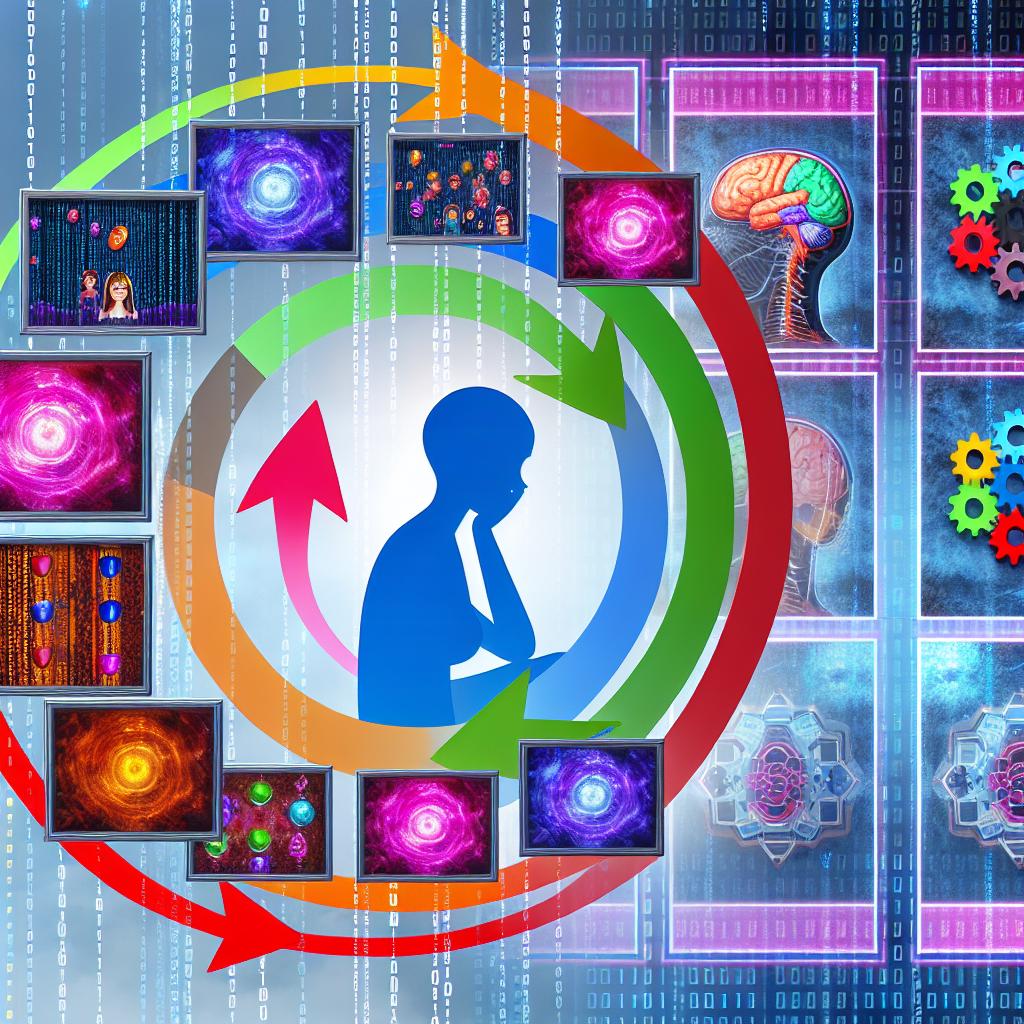
Understanding Data-Driven Insights into Player Behaviors

The gaming industry has seen an immense transformation with the integration of data analytics. This evolution has allowed developers to gain deeper insights into player behaviors than ever before. By analyzing data, game developers can create more engaging experiences, tailor content to individual players, and increase overall player retention. As the marketplace becomes more competitive, these insights are proving essential in creating standout games that captivate and maintain a robust player base.

Key Metrics in Player Behavior Analysis

One of the primary aspects of understanding player behaviors involves identifying which metrics to analyze. Key performance indicators (KPIs) within gaming include player retention rates, average session length, and in-game purchases. Analyzing these metrics helps developers understand how players interact with their games.

Retention Rates

Retention rates are vital in determining the success of a game. By identifying how many players continue to engage with a game over time, developers can assess satisfaction levels and detect potential issues early. An increased retention rate typically signifies a more engaging and entertaining game experience. Tracking these rates over various intervals, such as daily, weekly, or monthly, allows developers to pinpoint the times when a player might lose interest, thereby implementing strategies to combat churn.

Average Session Length

The average session length tells developers how long players spend in-game during a typical session. If a game sees prolonged session lengths, it may indicate a strong level of engagement. Conversely, short sessions might suggest potential issues with game pacing or content variety, which might need addressing. Determining the optimal session length is critical for keeping players interested without causing fatigue or disengagement.

In-game Purchases

Understanding in-game purchases is essential for games that utilize a free-to-play model with monetization through virtual goods. By analyzing purchase behavior, developers can understand which items or offerings attract players, allowing them to refine their in-game marketplaces. Detailed analysis can help recognize purchase patterns to optimize pricing strategies and identify which items increase player engagement or satisfaction.

Utilizing Machine Learning and AI

With advancements in machine learning and AI, developers are offered sophisticated ways to analyze and understand player behaviors. AI can predict future player actions, suggest personalized content, and enhance player experiences by adapting the game environment dynamically. The integration of AI has escalated the depth of insights gained from player data, enabling developers to craft highly tailored experiences.

Predictive Analytics

Predictive analytics can foresee future player behaviors based on their past actions. By scrutinizing a player’s history, AI models can flag potential churn, leading to interventions such as custom promotional offers designed to retain those players. These models use extensive datasets to identify patterns indicative of declining player interest, allowing real-time strategic responses.

Personalized Content

AI allows games to deliver personalized content by modifying the game environment or story elements to suit individual player preferences. This tailoring can significantly boost player engagement by providing a unique gameplay experience tailored to each player’s tastes. Personalized content can span from adaptive difficulty levels to custom story paths or game themes, creating unique experiences for each player.

Challenges and Ethical Considerations

While data analytics can significantly improve gaming experiences, there are critical challenges, particularly around privacy and data security. Transparent data policies and ethical considerations are vital as companies strive to balance data-driven insights with player privacy rights.

Data Privacy Concerns

Data privacy is a growing area of concern for both players and developers. As developers collect more data, securely managing and placing it under robust oversight becomes crucial. Developers need to ensure compliance with regulations, such as the General Data Protection Regulation (GDPR), to safeguard user information. Implementing strong security measures and ensuring data anonymization further protect sensitive user data.

Ethics of Data Usage

The ethics of data usage implies a responsibility on developers to use analytics for improving player experiences positively, without manipulation or exploitation. Creating transparent data usage policies can help in building trust with players. Developers must strive for ethical standards, clearly communicate their data policies to users, and provide options for players to control their data.

Conclusion

Data-driven insights into player behaviors are transforming the way games are developed and experienced. By effectively analyzing player data, game developers can provide personalized, engaging experiences that increase player satisfaction and loyalty. However, managing ethical issues and maintaining player trust is paramount as the data-driven journey continues. Both innovative use of analytics and a commitment to ethical standards will define the future successes in player engagement and game development. As the industry evolves, balancing innovation with respect for player privacy will become ever more crucial.


The ethical role of tech companies in promoting healthy play

The Ethical Role of Tech Companies in Promoting Healthy Play

As technology increasingly permeates daily life, tech companies hold a significant influence over how people, particularly children and adolescents, engage in play. This raises important ethical considerations regarding their responsibility in promoting healthy play practices. This article examines various aspects of this issue, providing a factual perspective.

The Influence of Technology on Play

Modern technology reshapes traditional concepts of play by introducing digital and interactive elements. Video games, streaming services, and mobile applications have become key sources of entertainment and leisure, often replacing conventional play activities. While these digital platforms offer creative and engaging play opportunities, they can also contribute to excessive screen time and sedentary lifestyles, raising concerns about physical and mental health.

Impact on Physical Health

Tech-driven play is frequently associated with reduced physical activity. As children and young adults spend more time engaged with screens, they may miss out on outdoor activities that promote physical fitness and well-being. According to studies, excessive screen time can lead to issues such as obesity, poor posture, and eye strain. Thus, tech companies face the ethical challenge of designing products that encourage a balance between digital and physical play.

In-depth examinations reveal that the integration of physical activity within digital games, often referred to as exergaming, has been successful in some areas. These games encourage movement, offering an enjoyable alternative to traditional workouts. Yet, the adoption of such innovations is not widespread, indicating a gap between potential solutions and real-world applications. Tech companies have an opportunity to bridge this gap through inventive product designs and an emphasis on HealthTech features.

Concerns Over Mental Health

Excessive digital play can also impact mental health. Studies indicate that high levels of screen exposure can increase the risk of anxiety, depression, and social isolation. Games and applications with features such as online leaderboards and social media connectivity may unintentionally promote unhealthy competitive behavior and cyberbullying. Tech companies must consider these potential risks and implement measures to foster positive digital interactions.

Moreover, there is a growing body of research that examines how online interactions can affect social skills and emotional intelligence. While digital platforms can offer avenues for connection, the quality of these connections is crucial. Efforts to ensure that digital communication mimics the nuances of face-to-face interaction could mitigate some negative effects. Tech companies, then, have the task of enhancing user experiences to support emotional health.

Tech Companies’ Ethical Responsibilities

With the power to influence play behavior comes the responsibility to ensure that technological products and services do not harm users. Here are several ethical roles tech companies should consider:

Designing for Balance

Tech companies can design products that inherently promote a balance between digital and physical activities. For example, apps and games can include reminders or incentives for taking breaks and engaging in offline activities. By integrating features that encourage users to be mindful of their screen time, companies can help promote healthier play habits.

Developers can look into creating experiences that seamlessly integrate with daily routines, such as apps that encourage outdoor exploration or games that require physical movement to progress. These ideas not only benefit physical health but also promote familial and social bonding, bringing traditional play elements into modern technology. For tech companies, embedding a philosophy of balance into their product development is an important ethical undertaking.

Parental and User Controls

Providing robust parental controls and user settings allows families to customize play experiences based on individual needs and preferences. This includes setting screen time limits, controlling access to specific content, and monitoring usage patterns. Empowering parents and users with these tools can support healthier digital play habits.

Tech companies can enhance their ethical standing by prioritizing the user interface and experience of parental controls. User-friendly controls that offer detailed monitoring and customizable settings make it easier for caregivers to manage their children’s digital consumption effectively. Additionally, tech companies could offer educational resources guiding parents on how to maintain a healthy digital environment for their families.

Content Moderation and Safety

Ensuring digital environments remain safe and inclusive is also an ethical responsibility. Companies must implement effective content moderation techniques to prevent exposure to inappropriate content. Additionally, designing platforms that prevent and address bullying and harassment can protect users’ mental well-being and foster a supportive community environment.

The integration of artificial intelligence in moderating content has shown promise in maintaining safe digital spaces. AI-driven tools can efficiently detect harmful content and flag it for review, reducing the likelihood of exposure to inappropriate material. Tech companies can also focus on community guidelines and user feedback systems to ensure their platforms actively foster inclusivity and safety.

Collaborative Efforts and Regulations

Addressing the ethical implications of digital play requires collaboration between tech companies, policymakers, educators, and health professionals. By sharing insights and data, industries can develop evidence-based guidelines and standards for promoting healthy play. Additionally, companies can work alongside government bodies to ensure compliance with regulations that protect users’ rights and well-being.

Partnerships with Health and Educational Institutions

Tech companies can partner with health and educational institutions to conduct research on the impacts of digital play and develop initiatives that promote healthy behaviors. Collaborations can result in the creation of resources, such as educational programs and workshops, that guide users and caregivers in managing technology use effectively.

Such partnerships can also lead to the development of academic curricula that educate young people about the responsible use of technology. Programs focusing on digital literacy can equip users with the skills needed to navigate the complex online world safely. By investing in education, tech companies contribute to developing informed digital citizens who are equipped to use technology responsibly.

In conclusion, the ethical role of tech companies encompasses a commitment to designing products and services that promote balanced, safe, and healthy play experiences. By considering both the benefits and potential risks of digital play, companies can contribute positively to societal well-being. These efforts require collaboration, innovation, and a commitment to the greater good, emphasizing the powerful role technology plays in shaping tomorrow’s society.


AI and algorithms that drive compulsive gaming

Understanding AI and Algorithms in Gaming

In recent years, the integration of artificial intelligence (AI) and complex algorithms in gaming has significantly transformed the landscape for both developers and players. Through the employment of AI, game creators are now able to design more interactive, engaging, and personalized experiences. While these advancements have enriched gaming experiences, they also pose challenges, such as the potential for fostering compulsive gaming behaviors among players. This article delves into the various roles AI and algorithms play in modern gaming and examines their potential impacts on users.

The Role of AI in Modern Gaming

AI has become an indispensable component in gaming, especially in the development of non-player characters (NPCs) that contribute to the vibrancy and dynamism of game worlds. These NPCs, often intertwined with dynamic storylines, are able to adapt to players’ actions within the game, making each play session unique. This adaptability stems from advanced techniques such as machine learning and predictive analytics, which further enhance the realism of games and sustain player engagement over prolonged periods.

Algorithms Driving Gameplay

Algorithms are at the heart of maintaining user engagement in contemporary video games. These computational systems meticulously analyze player behavior, enabling the game environments to adapt accordingly. This adaptability ensures that players remain immersed in the experience. For instance, difficulty levels within a game might dynamically adjust based on a player’s performance metrics. By scaling challenges appropriately, games can achieve a balance that keeps players invested without causing undue frustration or boredom.

Personalization and Recommendations

The personalized nature of modern gaming is largely driven by algorithms that analyze extensive data, including play history and player interaction patterns. This data-driven approach enables games to offer tailor-made suggestions, such as recommending new games or suggesting specific in-game purchases that align with a player’s preferences and past behaviors. To explore these personalized gaming experiences further, industry experts often publish detailed studies and reports, some of which can be found at this publication.

Loot Boxes and In-Game Purchases

Another algorithm-driven feature prevalent in many games is the concept of loot boxes and other random rewards mechanisms. These systems often trigger psychological responses similar to gambling, presenting a significant challenge due to their potential to induce compulsive spending behaviors. Without adequate regulation and awareness, these mechanisms could lead to detrimental outcomes, particularly for susceptible players.

Impact on Gamers’ Well-being

While the contributions of AI and algorithms to gaming are largely beneficial, they do raise concerns regarding players’ mental and physical health. The immersive nature of these technologies, combined with continuous and prolonged exposure, has the potential to foster addictive behaviors. This can negatively impact a player’s well-being, underscoring the necessity of balancing gaming with other life activities. Players and caregivers need to stay vigilant for potential signs of gaming disorders and seek interventions when required.

Future Trends and Ethical Considerations

As AI and algorithms become more entwined within the fabric of gaming, a focus on ethical considerations is imperative. Developers face the challenge of creating transparent systems that thwart the exploitation of vulnerable players. Gaming companies bear the responsibility to prioritize developing ethical guidelines while innovating and rolling out new gaming technologies. Ensuring that player safety and well-being are at the forefront of their efforts is paramount.

For those interested in future ethics in game design, industry-led discussions and conferences offer invaluable perspectives. Insights from such gatherings can be explored through platforms like this conference.

By staying well-informed and critically evaluating the role these technologies play in gaming, stakeholders, including developers, players, and regulators, can collaborate to foster healthier gaming environments and communities. In doing so, they contribute to a landscape where technological advances in gaming enhance rather than compromise well-being, offering safe, rewarding experiences for all.


How game developers can create less addictive games

Understanding Game Addiction

Game addiction, also referred to as gaming disorder, has emerged as a significant concern for health professionals and regulatory bodies around the world. This condition is characterized by an excessive gaming behavior that disruptively impacts an individual’s daily life. The recognition and understanding of this issue require an examination of the factors contributing to its rise. Game developers play an integral role in this ecosystem, as their design choices can either heighten or mitigate addiction risks.

Identifying Components of Addiction

Various elements within games can inadvertently trigger addictive behaviors. These elements encompass reward systems, leveling mechanics, and social pressures. While these features are intended to enhance user engagement and drive continued play, they can, if excessively leveraged, lead to compulsive gaming disorders.

Reward Systems and Achievement Design

Reward systems are a fundamental aspect of many games, and they play a pivotal role in maintaining player interest. However, developers may need to reconsider the architecture of these systems. By limiting rewards and designing achievements that promote short, meaningful play sessions, developers can contribute to minimizing gaming addiction. This involves shifting the reward paradigm from continuous incentives to well-spaced milestones.

Session-based gaming can effectively manage playtime, preventing excessive gaming habits by ensuring that rewards and achievements are designed to encourage limited and meaningful interactions rather than prolonged, compulsive play.

Time-Managed Game Progression

A time-managed approach to game progression serves as an effective mechanism to curb gaming addiction. This methodology ensures that players can achieve significant progress within brief play sessions. Paths such as session-based games or in-game notifications prompting players to take breaks after extended gameplay can be valuable tools.

By embedding mechanisms that suggest breaks, such as notifications or warnings after a particular duration, developers can encourage players to engage with the game in a healthier manner. This mindful engagement prevents prolonged exposure to the game, facilitating a balance between gaming and other life activities.

Strategies for Less Addictive Game Design

Developers have access to a variety of strategies aimed at crafting games that are less addictive. By focusing on design mechanics that prioritize player health and life balance, developers can significantly influence gaming behavior.

Implement Natural Stopping Points

Incorporating distinct suspension points within games aids in reducing continuous play. This can manifest as the conclusion of significant missions or milestones, prompting players to naturally pause and resume gaming at a later time, thereby lowering the risk of addiction.

The inclusion of game mechanics that lead players to breaks not only benefits their well-being but also enhances the gaming experience by associating meaningful pauses with game progression.

Encourage Real-World Breaks

Activation of mechanisms to actively promote breaks between gaming sessions is another invaluable strategy. This can involve deploying pop-ups suggesting that players take breaks or designing game environments that subtly nudge players towards real-world interactions and rest periods.

Games that recognize and reward stepping away can serve as a powerful counterbalance to addiction, illustrating to players that real-world engagement is a vital component of a healthy lifestyle.

Foster Meaningful Social Interactions

Many games leverage social interactions to augment the gaming experience. Encouraging meaningful, rather than purely competitive, interactions can foster healthier gaming habits. Offering options for cooperative gameplay or missions that prioritize teamwork and communication over competitiveness can play a role in reducing addictive behaviors.

By designing games that emphasize cooperation and collaboration over rivalry, developers can create environments that focus on shared experiences and responsible gaming.

Educational Campaigns on Gaming Health

In addition to game design modifications, educating players on the significance of adopting healthy gaming habits is crucial. Developers can initiate educational campaigns within games, highlighting the characteristics of gaming addiction and promoting balance.

By integrating educational components regarding gaming health, players become more aware of their habits and can take proactive steps to maintain a balanced lifestyle.

In conclusion, while a one-size-fits-all solution for gaming addiction remains elusive, adopting mindful game design practices can foster healthier gaming environments. By making conscious design decisions, game developers are in a position to promote responsible gaming practices. For more comprehensive information on addressing game addiction, you can visit the World Health Organization’s overview on gaming disorder.


Setting gaming-free zones in the home

Introduction to Gaming-Free Zones

In today’s digital age, video games have rapidly transformed into one of the most popular forms of entertainment for people of all ages. While video gaming can develop beneficial skills, such as enhanced cognitive function and stress relief, it’s crucial to recognize that excessive gaming can result in several adverse effects. These can include a decline in social interactions, decreased overall productivity, and a disconnect from the physical world. Consequently, creating gaming-free zones within the home is an effective strategy to foster a balanced approach, blending gaming with other crucial life activities.

What Are Gaming-Free Zones?

Gaming-free zones refer to designated areas within a home where video gaming is intentionally absent. These zones are designed to inspire different types of engagement and interaction, thereby promoting a lifestyle that harmoniously integrates both digital and non-digital activities. By allocating specific areas free from gaming, families can cultivate a balanced environment that respects the importance of both recreation and productivity.

Reasons to Set Gaming-Free Zones

There are multiple reasons why establishing gaming-free zones within a home can be beneficial:

Firstly, encouraging diverse activities is a key advantage. Gaming-free zones motivate individuals in the household to explore various activities beyond digital screens. This could include reading, crafting, engaging in hobbies, or even having meaningful conversations with one another. Such diversity in activities can lead to a more well-rounded lifestyle, where members of the household are accustomed to a variety of experiences and skills.

Secondly, gaming-free zones provide an avenue for reducing screen time. With the high potential for excessive screen exposure in today’s digital world, it is important to regulate the amount of time spent in front of a screen. By creating specific areas in the home where gaming isn’t an option, it becomes easier to achieve a balanced and healthy amount of screen time.

Moreover, these zones serve as a catalyst for promoting family interaction. When family members congregate in these gaming-free areas, there is a greater likelihood of interacting with one another in meaningful ways. This can enhance family bonds, foster better communication, and provide a platform for resolving conflicts and building understanding.

How to Establish Gaming-Free Zones

Creating gaming-free zones requires thoughtful planning and a keen understanding of the preferences and lifestyles of family members. Here are some steps to consider:

Select appropriate areas: Begin by identifying spaces where non-gaming activities naturally take place, such as common areas like the dining room or family room. These spaces can serve as natural hubs for family engagement and diverse activities, thus making them optimal locations for gaming-free zones.

Set clear guidelines: It is essential to establish clear rules regarding what activities are permissible within these zones. Ensure that everyone in the household is aware of these guidelines and comprehends their significance. This clarity helps in maintaining the purpose of the spaces and reduces potential conflicts or misunderstandings.

Communicate with family members: Engaging in discussions with family members about the benefits and objectives of gaming-free zones ensures everyone has a shared understanding. This communication fosters a cooperative environment where everyone is supportive of the initiative and aware of its long-term benefits.

Maintaining Balance

The establishment and maintenance of gaming-free zones necessitate a balance between setting restrictions and ensuring these restrictions do not lead to frustration or resentment among family members. Flexibility is key; allowing for regular family discussions and being open to making necessary adjustments can help accommodate individual preferences. Such a balanced approach not only upholds the integrity of the gaming-free zones but also nurtures a harmonious home environment.

Conclusion

In conclusion, implementing gaming-free zones in the home is a practical and beneficial strategy for achieving a well-balanced lifestyle. These zones provide individuals and families with the opportunity to savor the advantages of digital play while also cultivating other important facets of life. Through meticulous planning, clear communication, and a willingness to adapt over time, gaming-free zones can significantly contribute to a more serene, productive, and enriched home atmosphere.


Encouraging physical activity to offset gaming habits

Understanding the Balance Between Gaming and Physical Activity

Gaming has become a prevalent form of entertainment worldwide, yet it often involves prolonged periods of sedentary behavior. In recent years, the global gaming community has observed an increase in the number of individuals who dedicate extensive hours per day to this form of digital amusement. This trend is not restricted by age, as both young and adult players often find themselves engrossed in virtual worlds that captivate their attention for long spans. However, it’s crucial to recognize the potential health implications of such lifestyles. Studies indicate that excessive gaming can contribute to a sedentary lifestyle, potentially impacting physical health. As gaming gains popularity, immersing people in captivating storylines and challenging gameplay, it simultaneously poses a challenge for physical health due to extensive inactivity.

The Health Implications of Sedentary Gaming

Prolonged gaming sessions commonly result in minimal physical movement, leading to concerns such as obesity, poor cardiovascular health, and musculoskeletal issues. The concern here is rooted in the fact that the human body is designed for movement, and extended periods of inactivity can lead to the deterioration of various health aspects. The World Health Organization (WHO) underscores the importance of engaging in at least 150 minutes of moderate aerobic activity weekly to maintain health. This guideline serves as a reminder of the physical requirements necessary to support bodily functions and prevent the onset of disease. Therefore, maintaining a balance between gaming and activity is essential.

One cannot ignore the connection between sedentary gaming and its impact on obesity rates. The correlation is evident as continuous sitting, coupled with potential mindless snacking during gaming, can lead to an excessive energy intake without corresponding energy expenditure, thus contributing to weight gain over time.

Additionally, extended periods of sitting can negatively impact cardiovascular health. The heart is a muscle that requires routine exercise to remain efficient, and the absence of such can lead to a decrease in cardiovascular efficiency. Blood circulation slows, contributing to the risk of developing conditions such as high blood pressure or even heart disease over time.

Musculoskeletal issues are another prominent concern associated with sedentary gaming habits. The static posture typically adopted while gaming can lead to conditions such as back pain, strain in the neck and shoulders, and ultimately poor posture. Over time, these physical strains can lead to chronic conditions that impair mobility and function.

Encouraging Activity with Active Video Games

Incorporating active video games can be a useful strategy to increase physical engagement. Unlike traditional video games that require minimal physical interaction, active video games necessitate various forms of physical movement, effectively transforming gaming into an exercise opportunity. These games provide an avenue where one can maintain an interest in gaming while ensuring physical activity is integrated into their routine.

Active video games utilize motion-sensing technology, compelling players to move their bodies as part of gameplay. This not only aids in burning calories but can also improve coordination and aerobic fitness.

Moreover, such games often embed fitness goals within their design, allowing players to track their progress, set personal goals, and achieve them in an enjoyable manner. For those interested in the benefits of active gaming, exploring resources such as Healthline can provide additional insights and information.

Regular Breaks to Promote Mobility

Taking frequent breaks during gaming sessions is pivotal in promoting mobility. Establishing a routine that includes regular intervals for rising, stretching, or walking fosters a healthier gaming environment. Guidelines suggest taking a short break every hour as an effective measure to counteract the effects of continuous sitting.

These breaks serve multiple purposes. They allow improved circulation, which is crucial in preventing the stiffness and discomfort associated with prolonged periods of inactivity. Brief activities such as stretching can alleviate muscle tension and reinvigorate the body.

Moreover, these regular interruptions not only benefit physical health but also provide cognitive benefits. Taking breaks can enhance concentration and focus when transitioning back to gaming, leading to less mental fatigue and sustaining enjoyment in the activity.

Incorporating Gamified Physical Activities

Gamification of physical activities represents another innovative method to blend gaming with exercise. The use of technology to introduce gaming elements into traditional exercise routines has proven instrumental in motivating individuals who may not otherwise engage in physical activity.

Current apps and devices offer gamified experiences that encourage users to achieve fitness milestones through interactive challenges and rewards. Achievements earned in these virtual spaces enhance motivation, as they relate physical progress to tangible accomplishments. For those interested in exploring such resources, platforms like MyFitnessPal provide diverse tools to help track physical activity alongside gaming interactions.

Beyond personal benefits, these gamified systems often incorporate social elements, allowing users to connect, compete, and collaborate with others. The social aspect adds a layer of motivation, as gamers often thrive in competitive environments, making this an effective way to embed exercise naturally into their routines.

Conclusion

Promoting balanced habits between gaming and physical exercise is vital for maintaining overall health. By leveraging technology and adjusting routines, individuals can enjoy gaming while still prioritizing their physical well-being. The goal is to foster an equilibrium where one’s love for gaming does not come at the expense of physical health. Each player can find methods that work for them, whether it’s integrating active video games, scheduling regular breaks, or using gamified apps to enhance their activity levels. Encouraging this balance not only supports individual health but also contributes positively to broader societal health trends as gaming remains an integral part of modern entertainment.