
Introduction
In recent years, wearable devices have emerged as essential tools for monitoring various health parameters. With the rise in popularity of gaming, particularly among younger demographics, there is a growing interest in understanding the health implications associated with extensive gaming sessions. Wearable technology can play a significant role in tracking and addressing gaming-related health issues, providing insights that could lead to healthier gaming habits.
Understanding Gaming-Related Health Issues
Excessive gaming can contribute to a range of health problems. These can include physical issues such as eye strain, poor posture, and repetitive strain injuries, as well as mental health concerns like anxiety and depression. By leveraging wearable technology, gamers can gain better insight into their physical and mental well-being, potentially leading to more informed choices about their gaming habits.
Physical Health Concerns
Physical health issues are common among avid gamers, owing primarily to prolonged hours spent in front of screens. Eye strain is a prevalent concern, resulting from extended exposure to blue light emitted by screens. Wearable technology equipped with environmental sensors can measure ambient light exposure and prompt users to take breaks or adjust their environment for optimal lighting conditions, thereby reducing eye strain.
Poor posture, another common gaming-related issue, arises from sitting for long periods, often in awkward positions that may not support the spine properly. Wearables with posture monitoring capabilities can notify users when they deviate from recommended postures, encouraging them to adjust positions regularly. This prompt can help mitigate risks of developing chronic pain and musculoskeletal disorders over time.
Repetitive strain injuries, particularly in the wrists and hands, are common among gamers due to rapid and repetitive movements required during gaming sessions. Wearables that monitor joint positions and movement frequency can provide valuable feedback, allowing users to pace themselves, thus minimizing the risk of such injuries.
Mental Health Concerns
The impact of gaming on mental health cannot be overlooked. Anxiety and depression are significant concerns, often exacerbated by the immersive and sometimes adrenaline-fueled nature of gaming. Wearables that track heart rate variability can identify signs of stress and anxiety, offering real-time feedback to the user. Elevated heart rate readings during intense gaming moments can signal a need for relaxation techniques or a break from gaming to help maintain emotional balance.
Moreover, sleep deprivation is another issue linked to excessive gaming. Many gamers sacrifice sleep for extended gaming sessions, impacting their overall health and daily performance. Wearables that track sleep quality and duration can highlight disruptions in sleep patterns, advising users to prioritize rest. This data-driven approach can foster healthier sleeping habits, ultimately benefiting mental health and cognitive function.
The Role of Wearable Devices
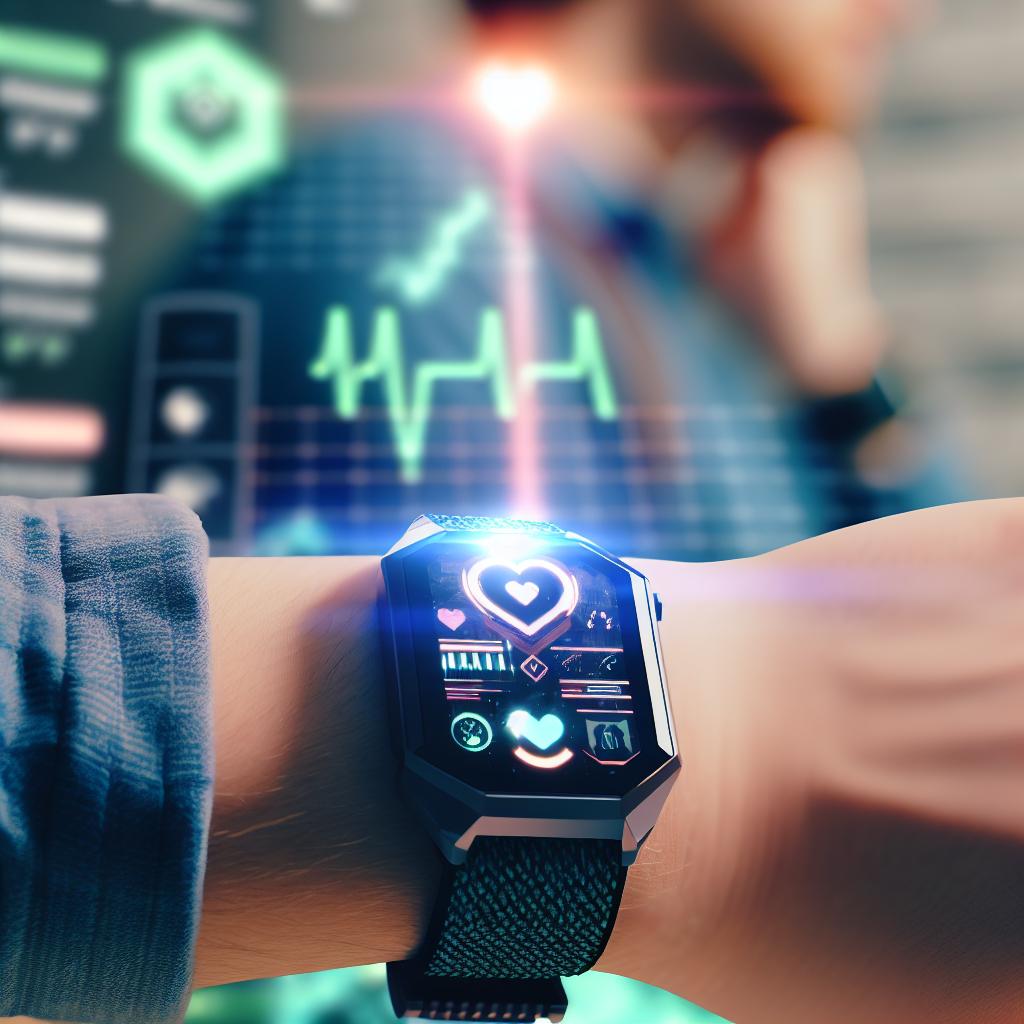
Wearable devices function by continuously monitoring a user’s physiological and sometimes psychological metrics. Heart rate is one of the most commonly tracked parameters. Changes in heart rate can provide insights into both physical exertion and emotional stress. For gamers, tracking heart rate can be instrumental in identifying periods of intense stress during gameplay, which might exacerbate anxiety.
Wearables often track sleep patterns as well. Given the addictive nature of gaming, individuals might find themselves playing late into the night, leading to disrupted sleep. By observing sleep metrics, such as duration and quality, gamers can be alerted to insufficient or poor-quality rest, prompting healthier sleep hygiene.
Real-time Feedback and Notifications
One of the key advantages of wearable technology is its ability to provide real-time feedback. Alerts for extended periods of inactivity can be invaluable for gamers who may become engrossed in a game and forget to take breaks. Reminders to stretch or reposition oneself can help alleviate musculoskeletal strain, reducing the risk of injuries like carpal tunnel syndrome.
Wearables can also be configured to notify users of elevated stress levels, suggesting short breathing exercises or brief physical activity to decompress. These immediate interventions promote healthy habits and keep the gaming experience enjoyable without compromising well-being.
Encouraging Healthy Gaming Habits
By offering a comprehensive view of gaming’s impact on health, wearable devices can motivate gamers to develop better habits. For instance, integrating wearable data with complementary applications can help create personalized wellness plans. These plans might include scheduled breaks, suggested physical activities, or even meditation exercises to manage stress effectively.
Gamification of health initiatives, such as earning rewards for taking regular breaks or meeting activity targets, can further encourage healthier behaviors. These strategies can help instill discipline and balance in gaming routines, ensuring that gamers remain mindful of their health while enjoying their favorite pastime.
The Potential of Integration with Gaming Platforms
In the future, the integration of wearable data with gaming platforms could elevate health monitoring to new heights. Imagine games that adjust difficulty based on the player’s stress levels or break reminders tailored to a user’s specific health statistics. These innovations could significantly enhance the gaming experience while prioritizing the player’s health.
Game developers can leverage wearable data for adaptive gaming experiences. For example, a game could dynamically alter its environment in response to a player’s physiological state, ensuring that gameplay remains challenging yet engaging without pushing the player into unhealthy stress levels. This personalized gaming could foster a more sustainable gaming ecosystem that prioritizes player wellness.
Conclusion
Wearable devices offer immense potential in tracking and addressing gaming-related health issues. By providing insights and real-time feedback, they empower gamers to make better health choices without sacrificing their passion for gaming. As technology evolves, so too will the capabilities of wearables, promising an even deeper integration into our daily lives and enhancing overall well-being. To explore current options for wearable technology in the gaming sphere, visit techradar.com.