
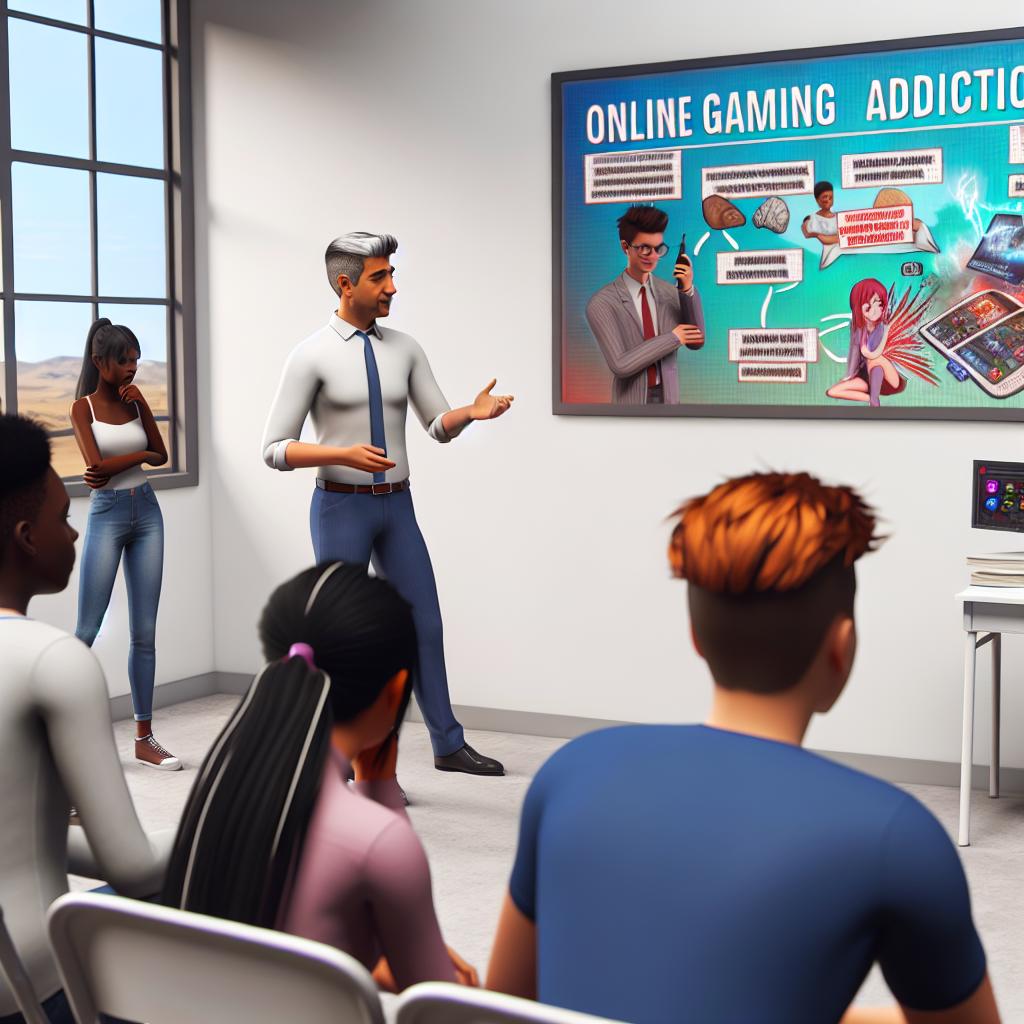
The Growing Concern of Gaming Addiction
The rise of video games as a prominent form of entertainment has brought about an increased focus on gaming addiction. According to the World Health Organization (WHO), gaming disorder is characterized by impaired control over gaming, prioritizing gaming over other interests, and continuation despite negative consequences. This emerging problem calls for educational institutions to play a vital role in addressing and mitigating gaming addiction among students.
Understanding Gaming Addiction
Educational programs should aim to foster an understanding of what constitutes gaming addiction. Students, parents, and educators need to be informed about the signs and symptoms. These can include a loss of interest in previously enjoyed activities, neglecting responsibilities, and using gaming as an escape from real-life problems. Educational efforts can demystify the condition by providing accurate information rather than relying on misconceptions.
Gaming addiction is not merely about playing games for extended periods. Rather, it is the compulsive use of video games that leads to significant impairment or distress. Individuals may display an increasing preoccupation with games, signs of withdrawal when not playing, a need to play for longer periods to achieve satisfaction, and unsuccessful efforts to control their gaming habits. Understanding these symptoms is crucial for recognizing the disorder and seeking help.
The Role of Schools
Schools can become proactive environments for teaching students about healthy gaming habits. This involves integrating discussions about gaming into the broader context of mental health education. By doing so, educational institutions can help students develop a balanced relationship with gaming that does not adversely impact their academic performance or social interactions.
Incorporating Education into the Curriculum
Embedding lessons about the potential risks of excessive gaming into the curriculum can be a significant step. Subjects such as health education or even technology-related courses can include modules on gaming addiction. Teachers can use real-life case studies and research findings to illustrate the effects of excessive gaming, helping students understand the real-world consequences.
In addition to classroom learning, schools can organize workshops and seminars where professionals and former gaming addicts share their experiences and insights. These sessions can shed light on the critical balance needed between gaming and other life responsibilities. Furthermore, open dialogue about the impacts of gaming can make students feel more connected and less reluctant to ask for help.
Parental Involvement and Intervention
Schools should also engage parents by providing resources and workshops. Educating parents about the signs of gaming addiction and effective intervention strategies can be crucial. By working together, parents and schools can create a support system that empowers students to make informed choices about their gaming activities.
Parents can play a crucial role in monitoring gaming activities at home. Establishing a family media plan that includes time limits for gaming, ensuring that games are age-appropriate, and engaging in gaming activities with their children can help monitor and manage gaming habits. Schools can equip parents with strategies to effectively communicate with their children about their gaming experiences and guide them towards healthy digital behaviors.
Promoting Healthy Digital Habits
Promoting healthy digital habits can be part of a school’s broader strategy, emphasizing the importance of moderation and time management. Encouraging students to allocate time for various activities, including physical exercise, social interaction, and academic work, helps ensure that gaming doesn’t dominate their lives.
Creating an environment that promotes balance is vital. Encouraging students to participate in extracurricular activities, whether sports, arts, or clubs, can provide alternative sources of engagement and fulfillment. This balanced approach fosters a holistic development that is crucial in preventing excessive gaming from becoming a problem.
Supportive Counseling Services
Schools can provide counseling services tailored to students who might be struggling with gaming addiction. Counselors equipped with knowledge about gaming addiction can offer guidance and support, helping students establish a healthier balance between gaming and other life aspects.
These counseling services should ideally integrate individual assessments to understand each student’s relationship with gaming. Through therapy sessions, students can learn about self-regulation, develop coping strategies for gaming urges, and explore the underlying reasons for their gaming habits. Group counseling sessions can also foster peer support, making students feel less isolated in their journey to recovery.
The Crucial Role of Awareness
Ultimately, the goal of schools in combating gaming addiction should be to raise awareness and provide students with the tools they need to engage with video games responsibly. Through education and collaboration with parents and mental health professionals, schools can play a significant role in preventing and addressing gaming addiction, promoting overall well-being among students.
Awareness initiatives go beyond the classroom. Schools can host awareness weeks dedicated to understanding digital life and health. Publishing informative content in school newsletters, maintaining updated information on school websites, and using social media channels to engage the wider community in these conversations are effective methods.
Combating gaming addiction requires a comprehensive approach that involves all stakeholders, including students, parents, educators, and mental health professionals. By fostering environments that prioritize health and awareness, educational institutions can not only alleviate the issue of gaming addiction but also empower students to lead balanced and fulfilling lives in a digital age.